
TMJ pain can turn everyday activities like talking, chewing, and yawning into uncomfortable experiences. If you grind your teeth at night or wake up with jaw pain, you’ve probably considered different treatment options to find relief.
Both Botox injections and night guards can effectively reduce TMJ symptoms, but they work in completely different ways; Botox relaxes overactive jaw muscles while night guards protect your teeth from grinding damage.
The American Dental Association supports night guards as a first-line approach for managing bruxism and reducing temporomandibular joint disorder discomfort.
Your dentist can help you decide which treatment fits your specific situation.
Understanding the differences between these two options will help you make a smart choice about managing your jaw pain. Some people benefit from one treatment, while others need both to get complete relief from their symptoms.
Key Takeaways
- Botox relaxes jaw muscles to reduce tension and pain while night guards protect teeth from grinding damage
- Your choice depends on whether your TMJ pain comes from muscle tension or teeth grinding habits
- Many patients achieve the best results by combining both treatments under their dentist’s guidance
Book your TMJ evaluation today and discover which treatment fits your symptoms best.
Table of Content
- Understanding TMJ Disorders and Their Symptoms
- How Botox Injections Work for TMJ Relief
- Night Guards and Dental Appliances for TMJ
- Comparing Botox and Night Guards: What Does the Evidence Show?
- Choosing the Right TMJ Treatment for You
- Frequently Asked Questions
Understanding TMJ Disorders and Their Symptoms
TMJ disorder affects the temporomandibular joint that connects your skull to your jawbone, and about 10 million Americans deal with this condition. The symptoms range from mild discomfort to severe pain that makes everyday activities difficult.
Common Causes of TMJ Dysfunction
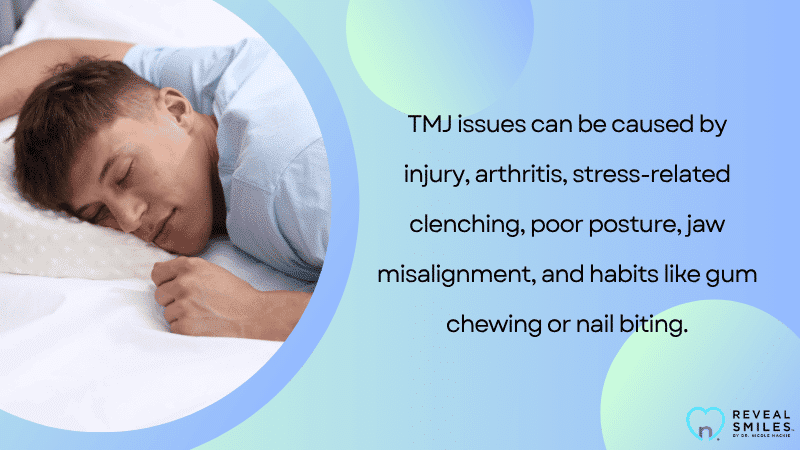
Your TMJ can become damaged or strained for several reasons. Physical injury to your jaw or head can cause immediate problems with the joint. Arthritis may wear down the cartilage in your temporomandibular joint over time.
Stress is one of the biggest triggers because it causes you to tighten your jaw muscles without realizing it. Poor posture, especially if you sit at a desk all day, can put extra strain on your neck and jaw muscles.
Some people are born with jaw alignment issues that make TMJ dysfunction more likely.
Chewing gum constantly or biting your nails can overwork the joint. Even sleeping in certain positions may contribute to jaw problems over time.
Recognizing Symptoms and Impacts on Daily Life
TMJ disorder leads to pain and limited movement in your jaw area. You might notice jaw pain when you wake up or after eating meals. Many people experience tension headaches that start near the temples and spread across the forehead.
Your jaw might make clicking or popping sounds when you open your mouth wide. Some people feel their jaw lock up temporarily or notice it gets stuck in certain positions.
Jaw soreness can make simple tasks like talking or eating uncomfortable.
The pain often spreads to your neck, shoulders, and ears. You might have trouble opening your mouth fully to take a big bite of food.
These symptoms can affect your sleep quality and make you avoid social situations where eating is involved.
Associated Conditions: Bruxism and Jaw Clenching
Bruxism means you grind or clench your teeth, often without knowing it. Many people with TMJ dysfunction also deal with teeth grinding and jaw clenching, especially during sleep.
This constant muscle tension makes your TMJ symptoms worse.
Clenching puts extreme pressure on your teeth and jaw joint. Over time, this creates tooth wear and enamel wear that your dentist can spot during checkups.
You might wake up with a sore jaw or headaches because you’ve been grinding your teeth all night.
The cycle works both ways; TMJ disorder can cause bruxism, and bruxism can cause TMJ dysfunction. Stress and anxiety often trigger both conditions at the same time.
Breaking this cycle requires treating the muscle tension and protecting your teeth from further damage.
Schedule your TMJ consultation in Las Vegas, NV to compare Botox and night guard treatment options.
How Botox Injections Work for TMJ Relief
Botox injections target overactive jaw muscles to reduce clenching and grinding, providing relief that typically begins within days and lasts several months.
The treatment relaxes specific muscles without requiring surgery or nightly appliances.
Mechanism of Action and Target Muscles
When you receive Botox for TMJ, your doctor injects small amounts into your masseter and temporalis muscles. These are the primary muscles responsible for jaw movement and clenching.
Botox works by blocking acetylcholine at the neuromuscular junction. This is the spot where your nerves communicate with your muscles.
When acetylcholine gets blocked, the signal telling your muscles to contract weakens significantly.
The result is targeted muscle relaxation without complete paralysis. You can still chew, talk, and make facial expressions normally. The treatment simply reduces the intensity of involuntary clenching and grinding that causes TMJ pain.
Your temporalis muscle runs along the side of your head, while your masseter sits at the angle of your jaw. Botox injections into the masseter muscle are particularly effective for people who clench during sleep or throughout the day.
Effectiveness, Duration, and Safety
Relief from Botox typically appears within 3 to 7 days after your injection appointment. Most people notice reduced muscle tension and less TMJ pain during this initial period.
The effects last between 3 to 6 months per treatment session. Studies show that over 80% of patients report significant pain reduction with Botox for bruxism and TMJ symptoms.
You’ll need repeat treatments to maintain results. Many people schedule appointments every three to four months. The procedure itself takes only 10 to 15 minutes with minimal downtime.
Side effects are generally mild and temporary. Some patients experience slight bruising at injection sites or mild headaches. The treatment has been used safely for decades in various medical applications.
Ideal Candidates and Potential Side Effects
You might be a good candidate for Botox if you have chronic clenching or grinding that hasn’t improved with night guards. People with severe muscle tension and frequent migraines related to TMJ often respond well.
Best candidates include those with:
- Chronic jaw pain despite conservative treatment
- Visible jaw muscle enlargement
- Daily tension headaches
- Sleep disruption from grinding
Potential side effects can include temporary facial asymmetry if the injection placement isn’t precise. Some people experience difficulty chewing very tough foods for a few weeks.
Rarely, the Botox can spread to nearby muscles and cause drooping.
You shouldn’t get Botox injections if you’re pregnant, breastfeeding, or have certain neurological conditions. Your dentist or doctor will review your medical history before recommending this TMJ treatment option.
Visit our office in Las Vegas, NV for personalized TMJ relief and jaw pain treatment.
Night Guards and Dental Appliances for TMJ
Dental appliances work as physical barriers between your teeth and provide structural support for your jaw joints. Different types of guards serve specific purposes, from basic tooth protection to advanced joint stabilization.
Types of Night Guards and Splints
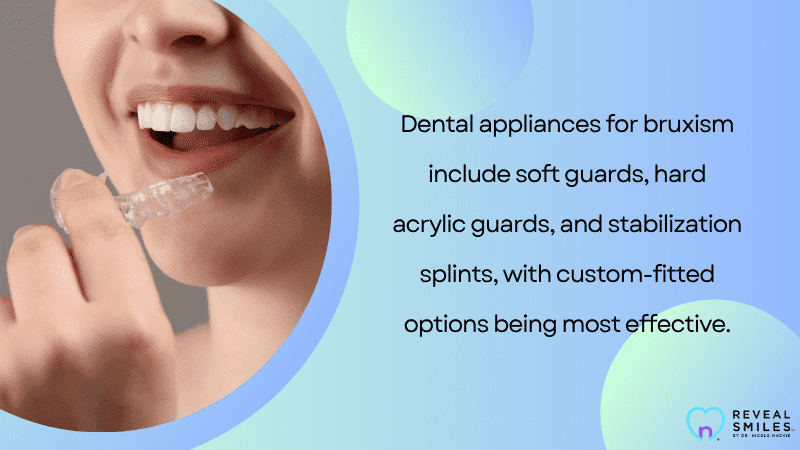
You’ll find three main categories of dental appliances for teeth grinding and jaw issues. Soft night guards are made from flexible rubber-like material and feel cushioned against your teeth.
Hard acrylic guards provide a rigid surface and typically last longer than soft versions.
Stabilization splints use flat-plane hard acrylic to create an even bite surface. These occlusal splints differ from basic nightguards because they’re designed to support your TMJ structure, not just protect tooth enamel.
Custom-fitted appliances from your dentist match your exact bite pattern. Over-the-counter options cost less but may not fit properly, which can lead to tooth movement or increased clenching.
Soft guards can actually increase muscle activity in some people, making bruxism worse instead of better.
How Dental Appliances Protect Teeth and Joints
A night guard creates a protective layer that absorbs grinding forces during sleep. This barrier prevents enamel wear, reduces tooth sensitivity, and stops fractures from developing.
Your teeth stay separated, which eliminates the direct contact that causes damage.
Occlusal appliances are a well-supported first-line approach for managing bruxism according to dental professionals. Stabilization splints go further by providing a stable surface for your jaw to rest on.
This reduces compressive force on your temporomandibular joints and can decrease inflammation.
The even surface helps your jaw muscles work less intensely during clenching episodes. Your joints experience less strain because the appliance distributes bite pressure more evenly across all teeth.
Benefits and Limitations of Night Guard Use
Benefits of dental appliances include:
- Immediate protection against tooth wear
- Reduced morning jaw pain
- Prevention of costly dental repairs
- Non-invasive treatment option
- Can last 6 months to 10 years depending on type
Night guards don’t fix the underlying cause of your grinding or clenching. They won’t stabilize TMJ disorders if you have joint instability or clicking. Basic guards don’t address airway issues that might trigger your bruxism.
Poorly fitted oral appliances can worsen your symptoms by changing your bite position. Some people experience increased muscle tension or more intense grinding with certain guard materials.
You’ll need regular dental adjustments to ensure your appliance continues fitting correctly as your teeth and jaw adapt.
Comparing Botox and Night Guards: What Does the Evidence Show?
Both treatments target TMJ pain through different mechanisms, with Botox offering muscle relaxation and night guards providing physical protection.
Research shows varying success rates depending on your specific symptoms and individual needs.
Effectiveness for Different TMJ Symptoms
Botox injections work by reducing hyperactivity in your masseter and temporalis muscles. You’ll typically notice relief within 3-7 days, making it effective for tension headaches and jaw soreness caused by muscle tension.
The effects last about 3-4 months per treatment session.
Night guards take a different approach to TMJ treatment. They protect your teeth from grinding and reduce strain on your jaw joint while you sleep.
According to the American Dental Association, night guards are a well-supported first-line approach for managing bruxism and reducing TMJ-related discomfort.
For muscle-related TMJ pain, Botox often provides faster results. If your main concern is teeth grinding or you want to protect your dental health, a night guard might work better for you.
Cost, Accessibility, and Treatment Duration
Botox requires repeated injections every 3-4 months to maintain relief from your symptoms. Each session costs between $300-$800 depending on your location and provider.
Your insurance may not cover Botox for TMJ since it’s not always approved for this use.
Night guards typically cost $200-$600 for a custom-fitted appliance from your dentist. You’ll wear it nightly, and it can last several years with proper care.
Most dental insurance plans offer partial coverage for night guards since they’re recognized as a preventive treatment for bruxism.
Many patients benefit from combining both treatments for the most effective relief. The strategy often involves gradually reducing Botox frequency over 12-24 months as other therapies take effect.
Patient Satisfaction and Quality of Life
Patient satisfaction varies based on your specific symptoms and treatment goals. Botox users often report quick improvement in headaches and muscle tension, with minimal downtime after treatment.
Night guard users appreciate the long-term protection for their teeth and consistent relief throughout the night. Some people need an adjustment period to get comfortable wearing the appliance while sleeping.
Your quality of life improvements depend on finding the right treatment for TMJ that matches your symptoms. If you struggle with daytime clenching and muscle tension, you might prefer Botox results.
For nighttime bruxism and tooth protection, a night guard offers reliable benefits without repeated procedures.
Choosing the Right TMJ Treatment for You
Your symptoms, daily habits, and treatment goals will determine whether Botox, a night guard, or both approaches work best for your TMJ disorder.
The severity of your condition and how you respond to stress also play important roles in finding lasting relief.
Factors to Consider: Severity, Lifestyle, and Goals
The type of TMJ pain you experience matters when choosing treatment. If you wake up with sore jaw muscles and tension headaches, Botox targets muscle hyperactivity that causes these symptoms.
People who grind their teeth heavily at night and notice worn enamel typically need the protective barrier a night guard provides.
Your daily routine affects which option fits best. Botox requires appointments every 3 to 4 months for maintenance sessions.
Night guards need nightly use and occasional adjustments but last several years with proper care.
Budget considerations differ between treatments. Custom night guards cost $300 to $800 upfront but remain effective for years. Botox injections range from $400 to $2,000 per session and require regular repeat treatments.
Think about what bothers you most. If stress triggers your jaw clenching throughout the day, muscle tension relief from Botox might address the root cause.
If you primarily grind teeth while sleeping, a dental appliance protects your joints and enamel during those hours.
Combining Therapies for Optimal Relief
Many people benefit from using both night guards and Botox together rather than choosing just one treatment. This combination approach addresses different aspects of TMJ disorder simultaneously.
Botox relaxes overactive jaw muscles during the day and reduces the force of nighttime clenching. A night guard then protects your teeth from whatever grinding still occurs while you sleep. Together, they create a more complete solution.
Benefits of combined therapy:
- Reduced muscle tension from Botox injections
- Physical protection for teeth from the guard
- Lower grinding force makes the night guard more effective
- Better long-term joint health
You might also add stress management and relaxation techniques to your treatment plan. Some patients work with their dentist to explore whether braces or Invisalign could fix bite alignment issues that contribute to jaw problems.
When to Seek Professional Evaluation

Schedule an appointment with a TMJ specialist if you experience jaw clicking, popping sounds, or difficulty opening your mouth fully.
These symptoms suggest your temporomandibular joint needs expert assessment beyond basic home care.
A comprehensive evaluation examines your muscle activity, jaw movement patterns, and any signs of enamel erosion. Advanced imaging may identify structural problems that need specific treatment approaches.
You should seek help sooner rather than later. TMJ disorders affecting up to 15 percent of adults often go undiagnosed for years. Early intervention with the right treatment reduces long-term joint damage and treatment costs.
A dental professional can determine if your pain stems from bruxism, muscle issues, or joint displacement. They’ll create a personalized plan that might include dental appliances, Botox therapy, or other interventions based on your specific condition.
Frequently Asked Questions
Both treatments work differently and suit different types of TMJ problems. Botox typically lasts 3-4 months while a custom night guard can protect your teeth for years with proper care.
How do Botox injections compare with a custom night guard for relieving TMJ pain and jaw tension?
Botox works by relaxing overactive jaw muscles. When injected into your masseter or temporalis muscles, it blocks nerve signals that cause tension and clenching.
Night guards create a physical barrier between your upper and lower teeth. They absorb the force when you grind or clench, which protects your teeth and reduces strain on your jaw joint.
Botox addresses muscle-related pain directly. You may notice relief within 48-72 hours, with full effects appearing around 2 weeks.
Night guards don’t relax your muscles. Instead, they prevent the damage that grinding causes and distribute bite force more evenly across your jaw.
Who is a better candidate for a night guard versus Botox for jaw clenching and teeth grinding?
You’re a good candidate for Botox if your pain comes from muscle hyperactivity. This includes waking up with sore temples, tension headaches, or jaw tightness from stress-related clenching.
Night guards work better if you grind your teeth heavily at night. They’re also ideal if you have noticeable enamel wear, chipped teeth, or bite alignment issues.
People who clench throughout the day often benefit from Botox. Those who mainly grind during sleep usually do better with a night guard.
If you want to avoid repeated treatments, a night guard offers a one-time investment. If you prefer not wearing a device in your mouth, Botox might feel more comfortable.
How long do the benefits typically last with Botox compared to wearing a night guard regularly?
Botox relief lasts 3-4 months on average. You’ll need maintenance injections to keep your symptoms under control.
A custom night guard can last several years with proper cleaning and care. You may need occasional adjustments, but the device itself remains effective as long as it fits properly.
Over-the-counter guards typically wear out faster than custom ones. They may need replacement every 6-12 months depending on how hard you grind.
With Botox, you’ll schedule appointments 3-4 times per year. With a night guard, you wear it nightly but won’t need frequent office visits once it’s fitted correctly.
What side effects or risks should I know about with Botox and with night guards when treating TMJ symptoms?
Botox side effects are usually mild and temporary. You might experience slight bruising at injection sites, headaches, or temporary muscle weakness in the treated area.
Some people notice difficulty chewing tough foods for a few days after treatment. This typically resolves as your muscles adjust to the relaxed state.
Night guards rarely cause serious problems. You might experience increased saliva production when you first start wearing one, or minor jaw soreness as you adjust.
Poorly fitted guards can shift your bite or cause discomfort. That’s why custom guards from a dentist fit better and cause fewer issues than drugstore versions.
Both treatments are considered safe when administered or fitted by qualified dental professionals. Botox is not recommended if you’re pregnant or have certain neurological conditions.
Why do some night guards include warnings about TMJ, and how do I know if one is safe for me?
Some over-the-counter night guards can worsen TMJ symptoms if they don’t fit properly. A guard that’s too thick or poorly designed might force your jaw into an unnatural position.
Generic guards use a one-size-fits-all approach. This can put extra pressure on your temporomandibular joint instead of relieving it.
Custom guards created by a TMJ specialist are designed specifically for your bite. They ensure your jaw stays properly aligned while protecting your teeth.
If you have existing TMJ pain, talk to your dentist before using any night guard. They can evaluate whether a guard will help or potentially make things worse.
Safe night guards should feel comfortable and not force your jaw forward or backward. You shouldn’t wake up with more pain than you had before using it.
Can Botox and a night guard be used together, and when does combining them make the most sense?
Combining both treatments often delivers better long-term relief than using either one alone. Botox relaxes your muscles while the night guard protects your teeth and joint.
This combination works well if you have both muscle tension and heavy grinding. The Botox reduces the force of your clenching, and the guard prevents damage from whatever grinding continues.
Using both can also reduce how much Botox you need over time. As your muscles relax and your guard prevents strain, your symptoms may improve with lower doses.
Your dentist might recommend starting with one treatment first. Once they see how you respond, they can add the second treatment if needed.
The combination approach costs more upfront. However, it can be more effective than trying each treatment separately and not getting complete relief.