
Getting a dental implant does not mean you are free from every dental problem.
Dental implants cannot get cavities, but the gum and bone around them can still get an infection called peri-implantitis.
If you have implants or are thinking about getting one, it helps to know what can go wrong and how to stop it before it starts.
You may have chosen implants as your tooth replacement because they look and feel like natural teeth. That is a great reason, but your oral health still needs daily attention.
Plaque can build up around an implant just like it does around your other teeth, and this can lead to swollen or bleeding gums over time.
The good news is that most problems with implants are easy to prevent. With good habits and regular checkups, your implant can last for many years without trouble. Keep reading to learn what causes issues around missing teeth replacements and how you can keep your smile healthy.
Key Takeaways
- Implants themselves cannot decay, but the tissue around them can still get infected.
- Plaque buildup is the main reason gum problems start around an implant.
- Daily brushing, flossing, and regular dental visits help catch problems early and keep implants working well.
The Short Answer: Can Dental Implants Get Cavities or Gum Disease?
Dental implants cannot get cavities, but that doesn’t mean your smile is completely safe from other problems.
Your remaining natural teeth and the gum tissue around your implant still need daily care to stay healthy.
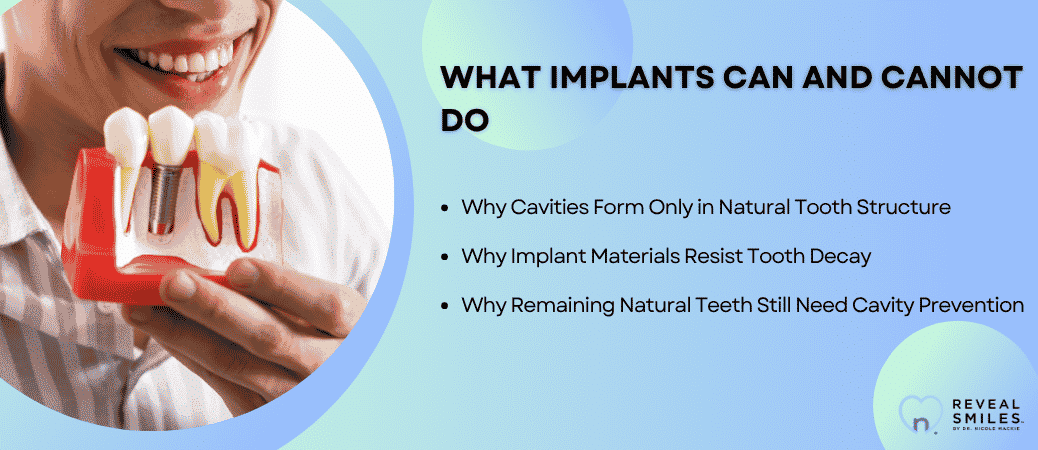
Why Cavities Form Only in Natural Tooth Structure
Cavities, also called dental caries, only form in natural tooth structure. Your natural teeth have a hard outer layer called tooth enamel, and a softer layer underneath called dentin.
Bacteria in your mouth feed on sugar and food particles. As they break down these particles, they create acid. This acid slowly wears away your natural tooth enamel and dentin, creating tooth decay.
Since dental implants don’t have enamel or dentin, this process simply can’t happen to them.
There’s no organic material for the acid to break down. This is one key reason implants work so differently from your natural teeth.
Why Implant Materials Resist Tooth Decay
There are different types of dental implants based on the material. Each implant also has multiple parts. The titanium post, also called the implant post, sits below your gum line and acts like an artificial tooth root.
On top of the implant post sits an abutment, which connects the post to your visible tooth. Above the gum line, you’ll see the implant crown, which is often made from ceramic.
Both titanium and ceramic crowns are man-made materials that don’t react to acid the way natural teeth do.
Because of this, tooth decay can’t affect your implant crown, ceramic crown, or the titanium post itself.
These materials simply don’t break down the same way natural tooth enamel does.
Why Remaining Natural Teeth Still Need Cavity Prevention
Even if you have one or more implants, you likely still have some natural teeth. These teeth remain fully at risk for cavities and need the same care as before.
Here’s what you should keep doing daily:
- Brush twice a day with fluoride toothpaste
- Floss once a day around your natural teeth and implant
- Limit sugary snacks and drinks that feed bacteria
- Visit your dentist regularly for checkups and cleanings
Skipping these habits can lead to new cavities on your natural teeth, even if your implant stays cavity-free.
Your gum health also needs attention, since gum disease can affect the tissue supporting both your natural teeth and your implant.
Gum Disease and Infections Around Dental Implants
Your dental implant is made of metal, so it can’t decay like a natural tooth.
But the gum tissue and bone around it are still living, which means they can develop gum disease around an implant if you don’t take care of them.
Peri-Implant Mucositis: Early, Treatable Gum Inflammation
Peri-implant mucositis is the first stage of gum disease around an implant. It only affects the soft gum tissue, not the bone underneath.
You might notice swollen gums or gum inflammation near the implant. Your gums may also bleed when you brush or floss.
The good news is that this early stage of peri-implant disease can often be reversed. A dental cleaning and better daily brushing and flossing habits can clear it up before it causes lasting damage.
Catching it early is key. If mucositis is ignored, it can turn into a more serious problem.
Peri-Implantitis: When Infection Reaches the Bone
Peri-implantitis is a more serious form of periodontal disease. It happens when the infection spreads past the gums and starts to affect the bone that holds the implant in place.
This condition is similar to gum disease in natural teeth, but it targets the tissue around an implant.
Bacteria build up along the gum line and cause ongoing inflammation.
Over time, this can lead to bone loss around the implant. If too much bone is lost, the implant can become loose and eventually fail.
Knowing what to do when a dental implant fails is especially important at this stage, as early professional treatment may help prevent further damage and determine the next steps.
Unlike mucositis, peri-implantitis usually needs professional treatment. It rarely gets better on its own.
Warning Signs That Need Prompt Dental Attention
Knowing the warning signs of dental implant complications can help you catch a problem early. Watch for these symptoms around your implant:
- Red, swollen, or tender gums
- Bleeding gums during brushing or flossing
- Gum recession, where gums pull away from the implant
- Bad breath that doesn’t go away
- A loose or shifting implant
- Pain or discomfort when chewing
If you notice any of these signs of peri-implantitis, contact your dentist right away.
Quick treatment can often stop the infection before it causes serious bone loss or leads to implant failure.
How Plaque Threatens Implant Support
Plaque buildup is more than a cleaning issue. It can hurt the gum, bone, and hardware that keep your implant in place.
How Plaque and Tartar Build Up Around Implants
Oral bacteria stick to your implant crown and gum line every day, just like they do on natural teeth.
If you don’t brush and floss well, this plaque hardens into tartar. Tartar is much harder to remove and gives bacteria a place to keep growing.
Over time, this can lead to peri-implant disease that affects gum tissue and bone. Your gums may turn red or swollen, and you might notice bleeding when you brush.
Catching this early matters a lot. The most effective way to stop gum disease around implants is brushing twice a day, flossing daily, and getting professional cleanings every six months.
How Bone Loss Can Affect Implant Stability
Your jawbone plays a huge role in holding your implant steady. When you first got your implant, it fused to the bone through a process called osseointegration. This is what gives implants their strength.
Plaque-driven infection can break down this bond. Bacteria irritate the gum, then spread deeper and start eating away at the bone that supports your implant.
This bone loss doesn’t happen overnight. It builds up slowly, often without pain at first.
Left untreated, it weakens implant stability and can shorten implant longevity.
Regular checkups help your dentist spot early bone changes on X-rays before you feel any symptoms.
For patients with severe upper jaw bone loss, zygomatic implants are the perfect option when there is not enough bone to support traditional dental implants.
Damage or Loosening of the Crown or Abutment
Your implant has three main parts: the post in your jawbone, the abutment that connects it to your crown, and the crown itself. Plaque and bacteria can affect all three.
When gum and bone health decline, the whole implant structure can shift. This may loosen the abutment or crown, even if the titanium post itself stays healthy.
You might notice your crown feels wobbly or sits differently than before.
In some cases, implant complications from infection are common, with most patients face some form of peri-implant issue after their procedure.
Catching looseness early gives your dentist a better chance to fix the problem before it leads to implant failure.
Daily Care for Healthy Implants and Gums
Your daily oral care routine plays a big role in keeping your implants and natural teeth strong. Simple habits like brushing, flossing, and rinsing can help stop plaque buildup before it causes problems.
Brushing With Gentle, Implant-Safe Products
Brush your teeth and implants twice a day using a soft-bristled toothbrush. Brushing harder does not mean cleaning better, and too much pressure can irritate your gums.
A soft brush with gentle pressure is enough to clean around your implants effectively.
Pick a non-abrasive toothpaste made for sensitive teeth or implants. Some toothpaste brands have rough particles that can wear down the surface of your implant crown over time.
Take your time when you brush. Spend a few extra seconds around each implant to remove any plaque that builds up near the gum line.
Good oral hygiene habits like this help protect both your implants and your natural teeth from harm.
Cleaning Between Teeth and Around Implant Crowns
Flossing is just as important as brushing. Plaque likes to hide between teeth and around implant crowns, places your toothbrush cannot always reach.
You have a few good options for cleaning these tight spots:
- Floss: Use a gentle back-and-forth motion around each implant.
- Water flosser: A steady stream of water can flush out food particles and plaque near the gum line.
- Interdental brush: This small brush fits between teeth and around implant posts to clean spots that string floss might miss.
Try different tools to see which one feels most comfortable for you. Sticking to a daily habit of cleaning between your teeth helps stop plaque before it turns into a bigger problem.
Choosing the Right Mouthwash to Protect Your Gums
An antimicrobial mouthwash can add another layer of protection for your gum health.
Swishing after brushing and flossing helps kill leftover bacteria that cause inflammation.
Look for a mouthwash that is gentle and alcohol-free. Harsh rinses can dry out your mouth and irritate the tissue around your implant.
Pay close attention to how your gum line looks and feels. Redness, swelling, or bleeding can be early signs of trouble, and catching these signs early makes treatment much easier.
Protecting your gum line each day supports both your implants and any natural teeth you still have.
Risk Factors, Professional Care, and Treatment
Some habits and health conditions make it easier for gum disease to develop around your implant.
Knowing these risks, seeing your dentist on schedule, and getting help fast when something feels off can protect your implant for years to come.
How Smoking and Diabetes Increase Implant Risks
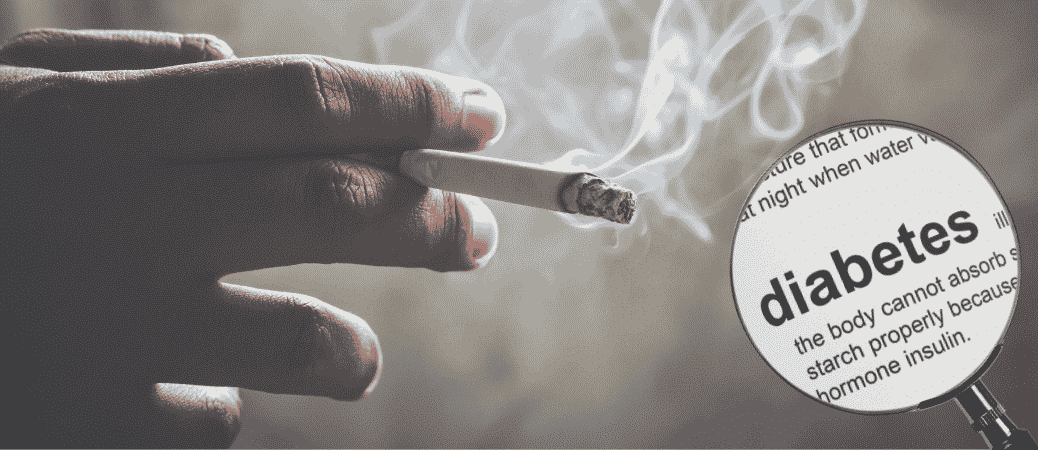
Smoking is one of the biggest risks to your implant’s health. It slows blood flow to your gums, which makes it harder for your body to fight off infection.
While dental implants for smokers can still be successful, tobacco use can interfere with healing and increase the risk of complications.
Diabetes works in a similar way. When your blood sugar is not well controlled, your body has a harder time healing and fighting bacteria.
This raises your chances of gum problems around the implant.
Both of these issues fuel peri-implantitis, the infection that can lead to bone loss and implant failure. If you smoke or have diabetes, tell your dentist.
They can help you create a plan to lower your risk and protect your implant longevity.
Why Dental Cleanings and Regular Visits Matter
Regular dental cleanings remove plaque and buildup that you can’t reach at home. This is true for your natural teeth and just as true for your implants.
During checkups, your dentist checks the gum tissue around your implant for early signs of trouble. They also check your bite and make sure the implant is still stable.
Catching problems early makes them much easier to treat. Most experts recommend visits every six months, though your dentist may suggest more frequent visits if you have risk factors like smoking or diabetes.
When to See an Implant Dentist or Periodontist
You should call your implant dentist or periodontist right away if you notice certain warning signs. Waiting too long can let a small problem turn into a big one.
Watch for these signs:
- Red, swollen, or bleeding gums around the implant
- Gum recession or a pocket that seems to be getting deeper
- Pain, tenderness, or a bad taste near the implant
- Any looseness or movement of the implant itself
A periodontist specializes in treating gum and bone issues, so they are often the right person to see for peri-implantitis.
Getting help early gives you the best chance at saving the implant.
Preparing for Dental Implants With Existing Gum Disease
If you already have gum disease, your dentist will need to treat it before moving forward with implant surgery. Placing an implant into infected gum tissue makes failure much more likely.
Your treatment plan usually starts with a dental implant consultation.
During this visit, your dentist checks the health of your gums and bone and may recommend treatments like deep cleanings or medication to control the infection first.
Once your gum disease is under control, your mouth is in a much better position to support a new implant. This step matters for your long-term oral health and helps your implant have the best chance of success.
Frequently Asked Questions
Your implants can’t decay, but the gum and bone that hold them in place still need daily care.
Here’s what you need to know about keeping both your implant and the tissue around it healthy for years to come.
Can dental implants develop cavities like natural teeth?
No, dental implants cannot get cavities. They’re made from titanium or ceramic, and neither material can be broken down by the bacteria that cause tooth decay.
This is one clear benefit implants have over natural teeth. But don’t let this fact make you skip your oral care routine; the gum tissue surrounding your implant is still living and can develop its own problems if you’re not careful.
Can you still get gum disease around dental implants?
Yes, you can. The condition is called peri-implantitis, and it’s basically gum disease that targets the tissue around an implant instead of a natural tooth.
Plaque buildup causes this problem, just like it does with regular gum disease. If left untreated, it can destroy the bone that keeps your implant secure.
What are the signs of infection around a dental implant?
Watch for these warning signs:
- Red, swollen, or bleeding gums near the implant
- Gum recession or pockets forming around the implant
- Bad breath that won’t go away
- A loose feeling in the implant
- Pain or tenderness when you bite down
Catching these signs early makes treatment much easier. If you notice any of these changes, reach out to your dentist right away instead of waiting to see if it gets better on its own.
How can I keep my dental implants and gums healthy?
Good habits go a long way in protecting your implant. Brush twice a day and floss around the implant carefully, since plaque can build up there just like it does on natural teeth.
Here are some other steps that help:
- Use an antimicrobial mouthwash if your dentist recommends one
- Avoid smoking, since it slows healing and raises your risk of gum problems
- Keep up with regular dental checkups and cleanings
- Manage conditions like diabetes that can affect healing
- Wear a nightguard if you grind your teeth
These small habits work together to protect your implant for the long run.
What happens if gum disease affects a dental implant?
When gum disease takes hold around an implant, it doesn’t stay in one place. The infection spreads and starts to break down the bone that anchors your implant.
Without treatment, this bone loss can loosen the implant over time.
Eventually, the implant may fail completely and need to be removed, which is why catching the problem early matters so much.
The good news is that treatment options exist, ranging from deep cleanings to surgical procedures that repair the bone.
Do I still need regular dental cleanings after getting implants?
Yes, absolutely. Regular cleanings help your dentist spot early signs of gum irritation before they turn into bigger problems.
Your dental team can also clean areas around the implant that are hard to reach with a toothbrush alone.
Skipping these visits raises your risk of peri-implantitis and other complications, so it’s worth keeping those appointments on your calendar.
Conclusion
Dental implants are designed to provide a durable replacement for missing teeth, but their long-term success still depends on the health of the gums and bone supporting them.
If you are wondering, can dental implants get cavities, we have the answer for you.
The implant itself cannot decay like a natural tooth because it does not contain enamel or dentin. However, plaque can still collect around the implant and contribute to gum inflammation, peri-implantitis, and bone loss.
Consistent brushing, cleaning between your teeth, professional cleanings, and regular dental exams can help prevent these complications.
Paying attention to changes around your implant also allows your dentist to address potential problems before they threaten its stability.