
Dental implants work well for most people, but sometimes they fail.
If your dental implant fails, it cannot be repaired and will need to be replaced, though the good news is that replacement is often straightforward and successful.
The treatment you receive depends on what caused the failure and when it happened.
Understanding why your implant failed helps your oral surgeon create the right treatment plan. Early failures happen within the first few months when the implant doesn’t bond with your jawbone.
Late failures can occur years later, often due to infection or bone loss around the implant.
Your oral surgeon will remove the failed implant, treat any infection or damaged tissue, and usually place a new implant after a healing period.
With proper care and an experienced surgeon, your replacement implant has a strong chance of lasting for many years.
Key Takeaways
- Failed dental implants must be replaced rather than repaired, but replacement procedures are usually successful
- The timing of implant failure helps determine the cause and affects your treatment options
- After removing a failed implant and treating the area, most patients can receive a replacement implant that lasts long-term
Table of Content
- Understanding Dental Implant Failure
- Causes of Failed Dental Implants
- Evaluating Repair Versus Replacement
- Treatment Options for Failed Dental Implants
- Prevention and Long-Term Success after Failure
- Frequently Asked Questions
Understanding Dental Implant Failure
Dental implant failure happens in two distinct time frames and shows specific warning signs that you should watch for. Knowing when problems typically occur and what symptoms to look for helps you get treatment faster.
Types of Implant Failure: Early Versus Late
Early implant failure happens within the first few months after your surgery. This type of short-term implant failure occurs when the implant doesn’t bond properly with your jawbone.
The bone needs to grow around the implant in a process called osseointegration, but sometimes this doesn’t happen correctly.
Poor surgical technique, infection at the surgery site, or insufficient bone quality can cause early dental implant failure. Smoking and uncontrolled diabetes also increase your risk during this critical healing period.
Late implant failure develops months or even years after your implant was placed. This long-term implant failure usually results from peri-implantitis affecting about 1 in 5 implant patients.
The infection attacks the gum and bone tissue around your implant, much like gum disease affects natural teeth.
Late dental implant failure often develops silently over time. By the time you notice obvious problems, the condition may have been progressing for months.
Common Warning Signs and Symptoms
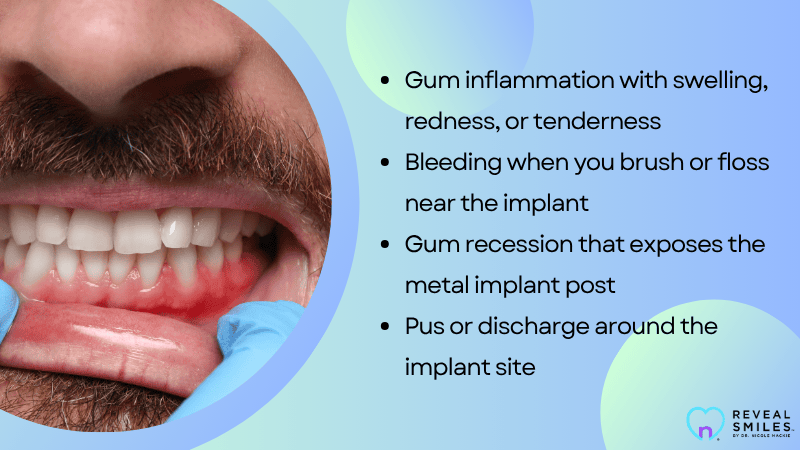
A loose implant is one of the most serious warning signs of dental implant failure. Your implant should feel completely stable, so any movement when you bite down means the bone support has been compromised.
Gum-related symptoms include:
- Gum inflammation with swelling, redness, or tenderness
- Bleeding when you brush or floss near the implant
- Gum recession that exposes the metal implant post
- Pus or discharge around the implant site
You might also experience difficulty chewing or persistent pain around the implant. Pain that develops months after placement isn’t normal and needs evaluation.
Bone loss and bone resorption don’t always cause immediate symptoms. A bad taste or metallic flavor in your mouth can indicate infection and active tissue breakdown.
These signs point to peri-implantitis, the most common long-term complication.
Book your consultation today to find the best solution for your failed dental implant.
Causes of Failed Dental Implants
Dental implants can fail due to problems with bone integration, infections around the implant, mechanical stress from biting, or health factors that affect healing.
Understanding these causes helps you recognize warning signs early and take steps to protect your investment.
Poor Osseointegration and Bone Issues
Osseointegration is the process where your jawbone fuses with the implant material. When this doesn’t happen properly, your implant lacks the stable foundation it needs to succeed.
Insufficient bone density is one of the main reasons osseointegration fails. If you don’t have enough bone to support the implant, it may never attach firmly.
Your dentist might recommend bone grafting to build up the area before placing an implant.
Poor implant position can also prevent proper bone integration. If the implant is placed at the wrong angle or depth, it won’t integrate correctly with surrounding bone.
Surgical trauma from overheating or lack of irrigation during placement damages bone tissue and stops healing.
Bone loss around an existing implant signals a serious problem. This can happen months or years after placement and often leads to implant failure if not treated quickly.
Gum Disease and Peri-Implant Disease
Peri-implant disease is an infection in the gums and bone around your implant. It works similarly to gum disease but can progress faster and cause more damage.
The condition starts as peri-implantitis, where bacteria build up on the implant surface and cause inflammation. You might notice swollen gums, bleeding when brushing, or bad breath around the implant area.
Signs of this condition include pain around the dental implant area and slight movement of the implant.
Gum infection develops when food particles and plaque collect around the implant crown. Poor oral hygiene lets bacteria multiply and attack the tissues holding your implant in place.
If you had gum disease before getting implants, you face a higher risk of developing peri-implant problems later.
Mechanical Complications and Bite Problems
Excessive force on your implant can cause it to fail even if osseointegration was successful. Bruxism, or teeth grinding at night, puts tremendous pressure on implants and can loosen them over time.
Connection-related problems like screw loosening or fracture increase from 4.3% after five years to 26.4% after 10 years. Your bite alignment matters too.
If the implant crown sits too high or at the wrong angle, every time you chew you’re putting stress where it doesn’t belong.
Implant complications also occur when the prosthetic design doesn’t distribute forces evenly. Poor surgical technique during initial placement can leave the implant vulnerable to mechanical failure down the road.
Oral Hygiene and Systemic Health Factors
Your daily oral hygiene routine directly impacts implant success. Brushing and flossing around implants removes bacteria before they can cause infections or bone loss.
Certain health conditions make implant failure more likely. Uncontrolled diabetes slows healing and increases infection risk. Osteoporosis weakens bone density throughout your body, including your jaw.
Medications like corticosteroids and bisphosphonates can interfere with bone healing around implants.
Smoking is one of the biggest risk factors you can control. It reduces blood flow to your gums and bone, making it harder for your body to integrate the implant.
Medical conditions like AIDS and certain medications also contribute to higher failure rates.
Visit our office in Las Vegas, NV for expert diagnosis and treatment of failing dental implants.
Evaluating Repair Versus Replacement
Not all failed dental implants require complete replacement.
The specific component that failed and the condition of your surrounding bone and tissue determine whether your oral and maxillofacial surgeon can repair the problem or needs to remove and replace the entire implant.
When Can a Failed Implant Be Repaired?
Sometimes you can avoid full implant replacement if only certain parts have failed. A loose crown or damaged abutment can often be fixed without touching the implant post itself.
Your dentist can replace a broken abutment, which is the connector piece between your implant fixture and crown. This repair is straightforward and doesn’t require implant removal.
If your crown becomes loose or damaged, your dentist can simply replace it while keeping everything else in place.
Repairable components include:
- Loose or broken crowns
- Damaged abutments
- Loose connector screws
These repairs work only when your implant fixture remains stable in your jawbone. Your oral and maxillofacial surgeon will check the implant post during follow-up appointments to ensure it’s still properly integrated with your bone.
Situations Where Replacement Is Needed
A broken or defective implant fixture cannot be repaired and must be replaced. When your implant post fails to integrate with your jawbone or becomes infected, replacement becomes necessary.
Your surgeon will need to perform implant removal if you develop peri-implantitis, a bacterial infection that causes bone loss around your implant.
Short-term failures that occur within three to four months of implant surgery also require complete replacement.
Situations requiring full dental implant replacement:
- Broken implant fixtures
- Failed bone integration
- Peri-implantitis infection
- Significant bone loss
- Loose or mobile implant posts
After removing the failed implant, your surgeon may need to place a bone graft at the site. You’ll typically wait three to four months for healing before receiving a new implant in the optimal position.
Treatment Options for Failed Dental Implants
When a dental implant fails, your oral surgeon will evaluate the situation and recommend the best course of action based on what caused the problem.
Treatment can range from simple cleaning procedures to complete implant replacement with bone grafting.
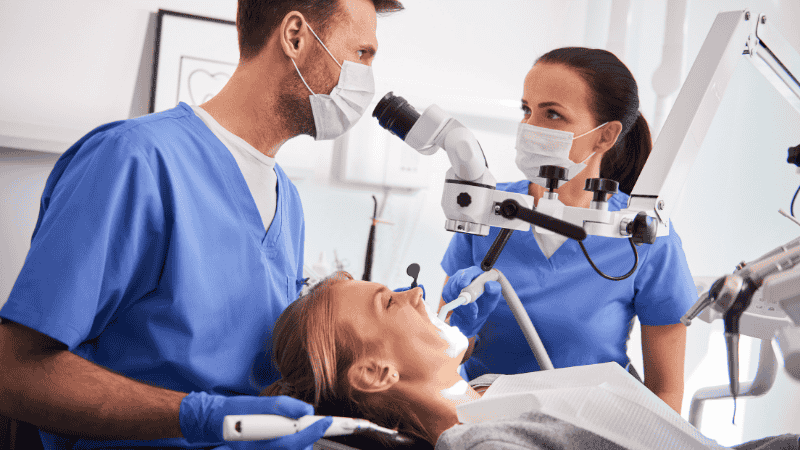
Non-Surgical and Minimally Invasive Interventions
Your dentist may be able to save your implant if you catch the problem early enough. If bacteria buildup is causing gum inflammation around your implant, professional cleaning can sometimes reverse the damage.
This approach works best when the infection hasn’t progressed to severe bone loss. Your dentist will clean around the implant site to remove harmful bacteria and infected tissue.
They may prescribe antibiotics to help fight the infection.
You’ll need to follow strict oral hygiene practices at home to prevent the infection from coming back. Regular follow-up visits let your dentist monitor the implant’s stability and health.
However, if the bone has already deteriorated significantly or the implant is loose, more invasive treatment becomes necessary.
Bone Grafting and Site Preparation
When bone loss has occurred around your failed implant, bone grafting prepares the site for a new implant. Your oral surgeon will first remove the failed implant from your jaw.
After removal, they’ll treat any diseased gum or bone tissue in the area. A bone graft fills in the damaged area and encourages new bone growth. The graft material can come from your own body, a donor, or synthetic sources.
You’ll typically need to wait three to four months for the bone to heal and strengthen. Your experienced oral surgeon will use a 3-D cone beam CT scan to check the bone quality and density.
This healing period is critical because the new bone must be strong enough to support another implant.
Once the site has fully healed, your oral surgeon can place a new implant in the optimal location for long-term success.
Implant Replacement and Alternative Solutions
If your implant cannot be saved, your oral surgeon will replace it with a new one. The replacement process involves removing the failed implant and addressing any underlying issues that caused the failure.
Your surgeon will work with you to reduce risk factors like smoking or uncontrolled diabetes that may have contributed to the initial failure.
They’ll determine the best position for your replacement implant and monitor it closely during healing. The new implant placement typically happens after bone grafting and a healing period.
Some patients may not be good candidates for another implant attempt. In these cases, your dentist can discuss alternative tooth replacement options like dental bridges or dentures.
Your oral surgery team will explain which solution makes the most sense for your specific situation and oral health needs.
Prevention and Long-Term Success after Failure
After replacing a failed implant, you can take specific steps to protect your investment and avoid future problems. Your daily habits and regular dental care play major roles in keeping new implants healthy for years to come.
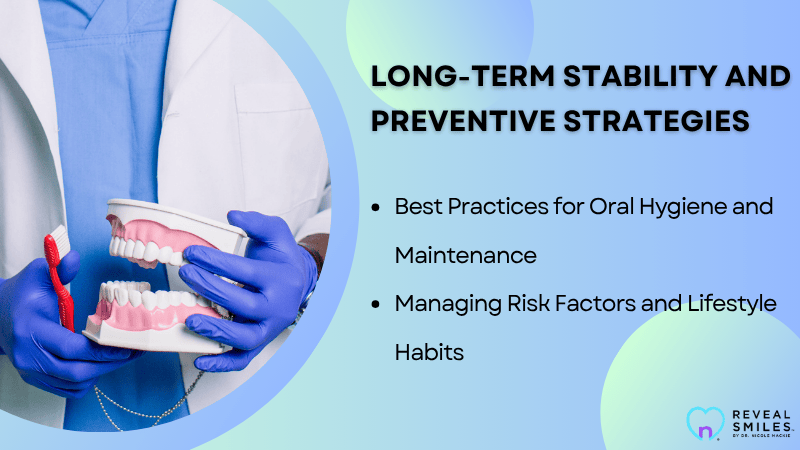
Best Practices for Oral Hygiene and Maintenance
Your oral hygiene routine directly affects whether your replacement implant will succeed.
You should brush twice daily with a soft-bristled toothbrush and use low-abrasive toothpaste to clean around the implant without damaging the surrounding gum tissue.
Flossing around implants requires extra care. You can use unwaxed floss or special implant floss designed to clean below the gum line without scratching the implant surface.
Water flossers also work well for flushing out bacteria and food particles.
Follow-up appointments with your dentist are not optional. You need professional cleanings every three to six months so your dentist can check for early signs of infection or bone loss.
These visits let your dental team catch small problems before they turn into implant failure.
Managing Risk Factors and Lifestyle Habits
Smoking remains one of the biggest threats to implant success. If you smoke, quitting gives your replacement implant the best chance of survival since tobacco reduces blood flow and slows bone healing.
Bruxism and teeth grinding can destroy even healthy implants over time. If you grind your teeth at night, wearing a custom night guard protects your implants from excessive force.
Your dentist can fit you with one that won’t interfere with your bite.
Working with an experienced oral surgeon makes a real difference in replacement outcomes. They use 3-D imaging to find the best position for your new implant and can address any bone loss from the first failure.
Controlling health conditions like diabetes also helps since high blood sugar interferes with healing and increases infection risk.
Frequently Asked Questions
Dental implant problems raise many questions about what went wrong and what can be done to fix them.
Understanding the causes, warning signs, and treatment options helps you make informed decisions about your dental care.
What are the most common reasons a dental implant might start to fail?
Smoking is one of the biggest risk factors for implant failure. It reduces blood flow to your gums and slows down healing.
Uncontrolled diabetes can also prevent your jawbone from bonding properly with the implant. Your blood sugar levels affect how well your body heals after the procedure.
Poor oral hygiene allows bacteria to build up around your implant. This can lead to peri-implantitis, which causes gum infection and bone loss.
Low bone density makes it harder for the implant to integrate with your jaw. If you don’t have enough bone, the implant may not have a stable foundation.
What early warning signs should I watch for if I think my implant is failing?
Pain around your implant is often the first sign something is wrong. While some discomfort is normal right after surgery, ongoing pain means you should see your dentist.
Swelling and redness in your gums near the implant indicate infection. Your gums may also bleed when you brush or floss.
A loose implant that moves when you touch it needs immediate attention. Your implant should feel as stable as your natural teeth.
Difficulty chewing or biting down can mean your implant is experiencing problems. You might notice discomfort when eating certain foods.
Can an infected implant be treated without removing the implant?
Early detection gives you the best chance to save your infected implant. If you catch the infection quickly, your dentist may be able to restore proper function without removal.
Your dentist can clean the infected area and prescribe antibiotics to fight the bacteria. They may also perform a deep cleaning around the implant to remove buildup.
However, advanced infections with significant bone loss usually require implant removal. Once the infection has spread too far, cleaning alone won’t solve the problem.
How do dentists determine whether an implant can be repaired versus removed?
Your dentist will take a 3-D cone beam CT scan to see what’s happening beneath your gums. This scan shows bone density, implant position, and any damage to surrounding tissue.
They’ll also do a visual inspection to check for gum disease, inflammation, and implant stability. The timing of the failure helps identify the cause.
If the implant fixture itself is broken or defective, it must be replaced rather than repaired. But if the problem is treatable infection or minor bone loss, your dentist may save the implant.
What treatment options are available to stabilize a loose dental implant?
A loose implant usually means the bone hasn’t integrated properly with the fixture. In most cases, the implant needs to be removed so the site can heal.
Your dentist may use a bone graft to rebuild the area after removing the loose implant. This gives you a stronger foundation for a replacement.
Sometimes the connector on top of the implant is loose rather than the implant itself. Your dentist can tighten or replace the connector without affecting the implant.
If an implant has to be removed, how soon can a new one be placed?
You typically need to wait three to four months after implant removal before getting a new one. This gives your jawbone time to heal completely.
During this waiting period, your oral surgeon may place a bone graft at the site. The graft helps rebuild any bone that was lost due to infection or other problems.
Replacing a failed dental implant with a new one is straightforward once the area has healed. Your surgeon will use the CT scan to place the new implant in the best position for long-term success.