
Missing teeth can affect more than just your smile. They can make eating difficult, change how you speak, and even impact your confidence in daily situations.
Dental implant candidacy depends on biology, not age, and many people qualify even if they lost teeth years ago.
Your dentist will look at factors like your jawbone health, gum condition, and overall medical status.
This article will help you understand the key signs that you might be ready for dental implants and what to expect during the process.
1) You have one or more missing teeth affecting your smile
Missing even a single tooth can change how you feel about your smile. You might find yourself avoiding photos or covering your mouth when you laugh.
Dental implants work well if you have one or more missing teeth that you want to replace. They look and function like natural teeth, giving you back the confidence to smile freely.
When you lose a tooth, it’s not just about appearance. The gap can make eating certain foods harder. You might also notice changes in how you speak.
Missing teeth can seriously affect your facial structure over time. Your jawbone needs the stimulation from tooth roots to stay strong and healthy.
Dental implants replace both the visible tooth and the root below your gumline. This helps keep your jawbone active and prevents the sunken look that can develop after tooth loss.
If you’re tired of hiding your smile or dealing with the daily challenges of missing teeth, you might be ready to explore dental implants.
Book your implant evaluation now and discover if you’re a candidate for permanent tooth replacement.
2) Your jawbone is healthy enough to support implants
Your jawbone plays a crucial role in dental implant success. The implant post needs strong, dense bone to anchor into and fuse with over time.
When you lose a tooth, the bone underneath begins to deteriorate. This happens because the bone no longer receives stimulation from the tooth root.
If too much time passes, insufficient bone structure may remain to support an implant.
Your dentist will check your jawbone density during an evaluation. They typically use X-rays or CT scans to measure bone volume and quality.
Sufficient jawbone density is one of the most important factors dentists look for.
The good news is that low bone density doesn’t automatically disqualify you. Many people who lack adequate bone can undergo a bone graft procedure first.
This builds up the jawbone to create a stable foundation for your implant.
Your dentist will determine if your current bone structure is strong enough or if you need additional preparation.
Either way, modern techniques make implants possible for more people than ever before.
3) You maintain good oral hygiene habits
Your daily oral care routine plays a big role in whether dental implants will work for you. Brushing twice a day and flossing regularly shows you’re ready to take care of implants long-term.
Dental implants need the same attention as natural teeth. You’ll need to keep brushing, flossing, and visiting your dentist for cleanings.
If you already do these things, you’re showing the commitment needed for implant success.
Poor oral hygiene can lead to infections around implants. This means good oral health and commitment to oral hygiene are must-have qualities for candidates.
Your dentist will look at your current habits during your evaluation. They want to see that you can keep your mouth clean after getting implants. Strong hygiene habits help implants last for many years.
If your oral care needs improvement, don’t worry. Your dentist can help you build better habits before moving forward with implants.
Making these changes now sets you up for better results later.
Take the first step toward a confident smile; request your dental implant consultation today.
4) You have healthy gums free from periodontal disease
Your gum health plays a major role in whether you can get dental implants. Healthy gums are essential for supporting dental implants during and after the procedure.
If you have active gum disease, you’ll need to treat it first. Active periodontal disease must be resolved before dental implants can be placed.
The infection can prevent the implant from fusing properly with your jawbone.
The good news is that treating gum disease doesn’t mean you can’t get implants. Once your gums are healthy again, you may still be an excellent candidate for the procedure.
Gum disease can cause dental implants to fail even after they’re placed. This is why your dentist will check your gum health carefully before moving forward.
Think of healthy gums as the foundation for your implants. Without this strong base, the implants won’t have the support they need to last long-term.
Your dentist will examine your gums and create a treatment plan if needed.
5) You’re in overall good medical health for surgery
Dental implants require oral surgery, which means your body needs to be healthy enough to handle the procedure and heal properly afterward.
Your general health plays a big role in whether you’re a good candidate.
If you have well-controlled medical conditions like diabetes or osteoporosis, you can still qualify for implants.
The key word is “controlled.” Your doctor will need to confirm that any health issues you have are being managed well.
However, uncontrolled medical conditions can make you a poor candidate for the procedure. Your body goes through more stress during implant surgery than with other dental work.
It needs to be strong enough to handle that stress and recover.
During your consultation, be honest with your dentist about your medical history. They’ll work with your doctor if needed to make sure implants are safe for you.
Many patients with health concerns can still get implants with the right planning and care.
6) You want a permanent solution over dentures or bridges
If you’re tired of temporary fixes for missing teeth, dental implants might be right for you. Dental implants are designed to be permanent and rarely have long-term complications.
Unlike bridges that typically last between 5 and 15 years, implants offer a lasting solution.
Bridges rely on surrounding teeth for support, which can wear down over time. Implants involve placing a titanium post directly into your jawbone, creating a stable foundation.
Dentures can be uncomfortable and may limit your food choices. They require daily removal and cleaning, which some people find inconvenient.
Implants feel more natural than dentures and don’t need special care beyond regular brushing and flossing.
If you want to avoid the pain and irritation that sometimes comes with dentures, implants provide a more comfortable option.
They restore your ability to chew normally and help maintain your jawbone health. This makes them an excellent choice for anyone seeking a long-term tooth replacement.
7) You’re experiencing difficulty chewing or biting
When you find it hard to chew your food properly, it might be time to think about dental implants. Missing teeth can throw off your bite balance and make everyday eating uncomfortable.
Difficulty chewing often happens when you have gaps in your smile. Your remaining teeth may shift to fill the empty spaces, which changes how your upper and lower teeth meet.
You might notice yourself avoiding certain foods because they’re too hard to bite. Steak, apples, and crunchy vegetables become challenging.
Some people start cutting their food into tiny pieces or switching to softer options.
Dental implants can restore your chewing strength by replacing the missing tooth root. They work just like your natural teeth, giving you the confidence to eat what you want again.
The implant sits securely in your jawbone and supports a crown that looks and functions like a real tooth.
If you’re struggling with meals or feeling pain when you bite down, talk to your dentist about whether implants could help.
8) You’re noticing shifting or movement of remaining teeth
When you lose a tooth, the surrounding teeth don’t just stay put. They start to drift toward the empty space over time.
You might notice teeth appearing crooked or overlapping where they used to be straight. Edges that once lined up perfectly may look off, or a tooth might twist slightly.
These small changes happen because your teeth are held in place by ligaments and bone, not permanently fixed.
Missing teeth create gaps that invite movement from neighboring teeth. They naturally tip or drift into the open space, which can mess up your bite and alignment.
This shifting can lead to bigger problems down the road if you don’t address it.
The good news is that dental implants act as artificial tooth roots. They provide the stability and support your remaining teeth need.
By filling the gap, implants prevent your other teeth from moving out of place and help maintain your natural smile.
9) You want to avoid altering healthy adjacent teeth
Traditional dental bridges require filing down the teeth on either side of the gap to support the replacement tooth. This means altering healthy neighboring teeth, which some people prefer to avoid.
Dental implants stand alone. They don’t rely on your other teeth for support, so your healthy teeth stay untouched and intact.
When you choose a bridge, your dentist must remove enamel from the adjacent teeth to place crowns. Once this enamel is gone, those teeth will always need coverage and protection
This can feel like sacrificing good teeth to replace a missing one.
Implants preserve your natural tooth structure. Each implant acts as an independent tooth with its own root and crown.
This approach protects your existing teeth while filling the gap left by your missing tooth.
If keeping your healthy teeth in their natural state matters to you, dental implants provide a comprehensive solution without compromise.
You get a replacement tooth without affecting the ones around it.
10) You’ve had tooth loss from injury, decay, or extraction
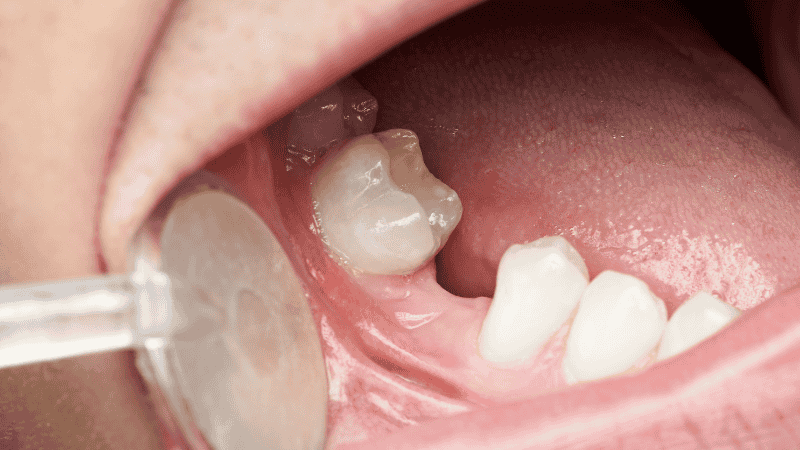
Missing teeth from any cause makes you a candidate for dental implants. Whether you lost a tooth from a sports injury, car accident, or other trauma, implants can restore your smile.
Tooth loss can happen because of cavities and gum disease as well. When decay becomes severe, it may make saving the tooth impossible.
Sometimes dentists schedule an extraction after trying to save teeth with fillings, root canals, and crowns.
Adults experiencing tooth loss due to decay often face issues like untreated cavities that have progressed too far. The good news is that dental implants work well regardless of how you lost your tooth.
The key factor is having enough healthy bone to support an implant. Your dentist will evaluate your jaw bone and overall oral health to determine if implants are right for you.
If you’ve been living with a gap in your smile, now might be the perfect time to explore replacement options.
Understanding Dental Implants
Dental implants are titanium posts that get placed into your jawbone to replace missing tooth roots. They provide a stable foundation for artificial teeth that look and work like your natural ones.
How Dental Implants Work
A dental implant consists of three main parts that work together to replace your missing tooth. The implant post is a small titanium screw that goes into your jawbone where your tooth root used to be.
An abutment connects to the top of this post. A crown, bridge, or denture then attaches to the abutment.
Your dentist surgically places the titanium post into your jaw during a minor procedure.
Over the next few months, your jawbone grows around the implant in a process called osseointegration. This creates a strong bond that makes the implant very stable.
Once the bone has fused with the implant, your dentist attaches the abutment and final restoration. The entire process usually takes several months from start to finish.
Benefits of Choosing Dental Implants
Dental implants can last a lifetime with proper care, making them one of the most durable tooth replacement options available.
Unlike dentures that can slip or move, implants stay firmly in place because they’re anchored in your jawbone.
You can eat all your favorite foods without worry. Implants restore your full chewing power since they function just like natural teeth.
They also help preserve your jawbone, which prevents the sunken facial appearance that often happens with missing teeth.
Key advantages include:
- No damage to neighboring teeth (unlike bridges)
- Easy maintenance with regular brushing and flossing
- Natural appearance that blends with your smile
- Improved speech compared to loose dentures
- No need for messy adhesives
Consultation and Candidacy Requirements
Dentists evaluate your mouth structure and overall health to determine if implants will work for you.
Your jawbone strength and gum condition play the biggest role in whether you can move forward with treatment.
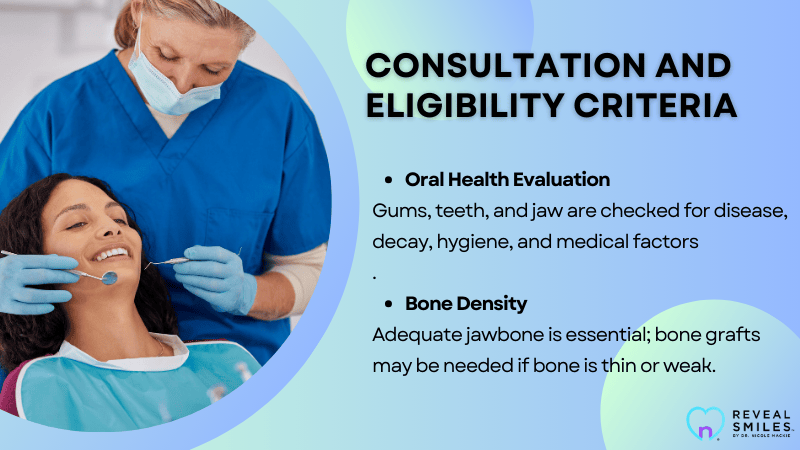
Evaluating Oral Health for Implants
Your dentist will examine your gums, remaining teeth, and overall mouth health during your consultation.
Healthy gums without active disease are essential because gum health affects how well implants integrate with your jawbone.
The evaluation includes X-rays and sometimes 3D scans to see your jaw structure. Your dentist checks for infections, cavities, or gum disease that need treatment first.
You’ll discuss your medical history and any conditions like diabetes or heart disease. Well-controlled health conditions usually don’t prevent you from getting implants.
Your dentist also asks about medications you take, especially blood thinners or drugs that affect bone healing.
Key factors dentists assess include:
- Gum tissue health and thickness
- Presence of tooth decay or infections
- Bite alignment and jaw position
- Oral hygiene habits
- Smoking status
Role of Bone Density in Success
Your jawbone needs enough thickness and density to hold the implant securely. Jawbone density is one of the most important factors that dentists evaluate during your consultation.
When you lose a tooth, the jawbone in that area starts to shrink over time. This happens because the bone no longer gets stimulation from the tooth root.
If you’ve been missing teeth for years, you might have significant bone loss.
Dentists use CT scans to measure your bone volume and quality. If your bone is too thin or weak, you may need a bone graft before getting implants.
Bone grafting adds material to rebuild the jaw and create a stable foundation.
The good news is that modern techniques allow many people with bone loss to still receive implants after preparatory procedures.
The bone graft needs several months to heal before implant placement.
Frequently Asked Questions
Many people wonder if dental implants are right for them and what factors make someone a good fit.
Understanding the signs and requirements can help you make an informed choice about replacing missing teeth.
What signs indicate that dental implants might be the right choice for me?
Missing one or more teeth is the most obvious sign that dental implants could work for you. Gaps in your smile can affect how you eat, speak, and feel about your appearance.
If you notice your remaining teeth are shifting or your bite feels different, these are signs that missing teeth need replacement. Dental implants can prevent further movement and restore normal function.
Struggling to chew certain foods or feeling self-conscious when you smile also suggests it’s time to explore implant options. These issues often improve dramatically after getting implants.
How do I know if I am a suitable candidate for dental implants?
You need enough healthy jawbone to support the implant posts. Your dentist will check if your bone density is strong enough during an examination.
Good oral hygiene is essential for implant success. If you brush twice daily and floss regularly, you’re already meeting one important requirement.
Your gums should be healthy and free from disease. Active gum disease needs treatment before you can move forward with implants.
Are there specific conditions that make dental implants necessary?
Severe tooth decay that can’t be fixed with fillings or crowns might require extraction and implant placement. When a tooth is too damaged to save, an implant becomes the best long-term solution.
Accidents or injuries that knock out permanent teeth create an immediate need for replacement. Dental implants offer a permanent fix that looks and functions like your natural teeth.
Advanced gum disease sometimes leads to tooth loss. Once the infection is treated and your gums are healthy again, implants can restore your smile.
What should I consider before deciding to get dental implants?
Your overall health matters for surgery. Conditions like uncontrolled diabetes or immune disorders can affect healing and implant success.
The cost and time commitment are important factors. Implants require multiple appointments over several months and typically cost more upfront than other options.
Your lifestyle habits play a role too. Smoking can reduce success rates, so you may need to quit before treatment.
How do I know if my oral health is good enough for dental implants?
Schedule a consultation with a dentist who can examine your mouth and take X-rays. These tests reveal bone density, gum health, and any hidden problems.
Healthy gums shouldn’t bleed when you brush or look red and swollen. If you have periodontal disease, you’ll need treatment first to create a healthy foundation.
Your jawbone needs adequate thickness and height. Some people need bone grafting to build up the area before implant placement can happen.
Can missing teeth be a reason for getting dental implants, and how does it affect the decision?
Missing teeth create more than just cosmetic concerns. They can lead to bone loss in your jaw over time, which makes future implant placement harder.
The location of your missing teeth affects the urgency. Front teeth impact your appearance and confidence, while back teeth affect your ability to chew properly.
How long you’ve had missing teeth matters too. The sooner you replace them, the better your chances of avoiding bone deterioration and keeping neighboring teeth stable.