
You wake up in Las Vegas with pain radiating through your jaw and teeth, but you can’t tell if it’s a toothache or something else.
Many people experience this confusion because TMJ disorders and dental problems can feel surprisingly similar.
The main difference is that TMJ pain typically affects your jaw joint and surrounding muscles with clicking or popping sounds, while a toothache usually stays localized to a specific tooth and may worsen with temperature changes or pressure.
Understanding what’s causing your pain matters because treating the wrong problem can leave you uncomfortable for months.
TMJ disorders and toothaches share similar symptoms like aching teeth and jaw discomfort, which is why thousands of people end up addressing the wrong issue.
Your pain might spread to your ears, cause headaches, or make chewing difficult.
Getting the right diagnosis helps you find relief faster and avoid unnecessary treatments.
Knowing the key differences between TMJ pain vs toothache in Las Vegas these conditions will guide you toward the care that actually works for your situation.
Key Takeaways
- TMJ pain involves jaw joint issues with clicking sounds, while toothaches stay focused on specific teeth
- Professional clinical examination and X-rays helps identify whether your pain comes from TMJ or dental problems
- Treatment options range from mouthguards and facial exercises for TMJ to dental procedures for tooth decay and gum disease
Table of Content
- Key Differences Between TMJ Pain and Toothache
- Recognizing TMJ Disorders: Symptoms and Red Flags
- Identifying Dental Causes: Common Tooth and Gum Problems
- Diagnostic Approaches in Las Vegas: Professional Evaluation
- Treatment and Prevention Strategies for TMJ and Dental Pain
- Frequently Asked Questions
Key Differences Between TMJ Pain and Toothache
TMJ pain and toothaches can feel similar, but they have distinct characteristics in how they feel, where they hurt, and what triggers them.
Understanding these differences helps you identify whether your discomfort comes from your temporomandibular joint or an actual tooth problem.
How the Pain Feels and Where It Occurs
TMJ pain typically feels dull and achy rather than sharp. It spreads across your jaw muscles, face, and sometimes reaches your ears and neck.
You might notice the discomfort moves around instead of staying in one spot.
A toothache usually stays focused on one specific tooth or a small area of your mouth. The pain can be sharp, throbbing, or constant.
When you have tooth decay, a cracked tooth, or gum disease, you can often point to exactly where it hurts.
TMJ-related tooth pain often spreads across multiple teeth on one side of your mouth. This happens because the jaw and tooth pain radiates from your temporomandibular joint to surrounding areas.
A regular toothache from a tooth infection or periodontitis stays localized to the problem tooth and nearby gum tissue.
Associated Symptoms to Watch For
TMJ pain comes with other signs beyond jaw soreness. You might hear clicking or popping sounds when you open your mouth. Your jaw could lock or feel stiff when you try to eat or yawn.
Common symptoms that point to TMD include:
- Headaches or tension headaches that start near your temples
- Ear pain without any ear infection
- Neck pain and shoulder tension
- Limited jaw movement or difficulty opening wide
- Facial pain that gets worse with jaw use
Tooth pain from dental issues shows different warning signs. You might notice tooth sensitivity to hot or cold foods. Your gums could be swollen, red, or bleeding.
Bad breath or a bad taste in your mouth often means infection. You won’t usually have clicking sounds or jaw stiffness with a regular toothache.
Common Triggers and Patterns
Your TMJ pain often gets worse when you use your jaw. Chewing tough foods, talking for long periods, or yawning can make it hurt more.
Many people notice their jaw pain is worse in the morning after jaw clenching during sleep.
Stress makes TMJ symptoms worse because it leads to more jaw tension and clenching. The pain might come and go or change in intensity throughout the day.
You may have good days and bad days with your temporomandibular joint discomfort.
Toothaches respond differently to triggers. Hot or cold drinks can cause sharp pain if you have tooth sensitivity or decay. Sweet foods might hurt a cavity.
Biting down on the affected tooth usually makes dental pain worse. The pain from a tooth infection or abscess tends to be constant and doesn’t improve much with rest.
Why Differentiating Matters for Treatment
Getting the right diagnosis saves you time and prevents unnecessary dental work. TMJ disorders need different treatment than oral health problems.
Your dentist might recommend a mouthguard, physical therapy, or jaw exercises for TMD. These won’t help if you actually have a cavity or gum disease.
Tooth problems require dental procedures like fillings, root canals, or deep cleanings. Taking pain medication for what seems like a toothache won’t fix your jaw joint issues.
The wrong treatment can let your real problem get worse while you wait for relief.
Many people experience both conditions at the same time, which makes proper evaluation even more important. Your teeth grinding from TMD can lead to cracked teeth or worn enamel.
Bite misalignment from jaw problems puts extra pressure on certain teeth and increases your risk of dental damage.
Recognizing TMJ Disorders: Symptoms and Red Flags
TMJ disorders affect the temporomandibular joint and surrounding muscles, causing symptoms that range from jaw pain and stiffness to headaches and ear discomfort.
Many people experience worse symptoms in the morning due to nighttime jaw clenching or teeth grinding.
Typical Signs of TMJ Dysfunction
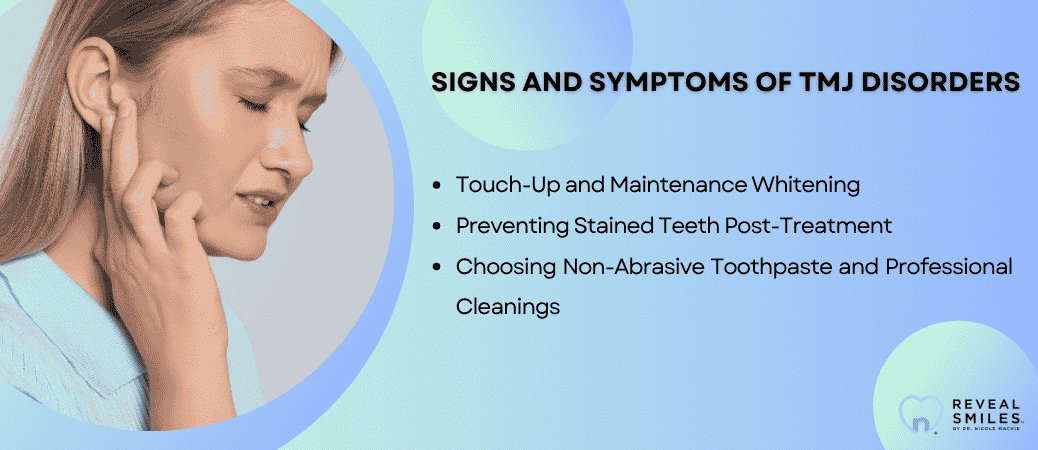
TMJ symptoms often start gradually and may feel unrelated to your jaw at first. You might notice pain or tenderness when you touch the area in front of your ear where your jaw connects to your skull.
Common signs include:
- Clicking or popping sounds when you open or close your mouth
- Jaw locking that makes it difficult to fully open or close your mouth
- Limited jaw movement that restricts how wide you can open
- Muscle tenderness around your jaw, temples, or cheeks
- Pain while chewing or talking
Your jaw might feel tired or sore after eating chewy foods. Some people experience jaw tension that builds throughout the day.
Tooth pain that occurs along with jaw tenderness is another common sign of TMJ disorder.
When TMJ Pain Worsens in the Morning
Waking up with jaw soreness on one side often points to nighttime jaw clenching or grinding.
This happens because you unconsciously clench your teeth while sleeping, putting extra pressure on your temporomandibular joint.
Morning jaw stiffness usually improves as the day goes on. You might notice your jaw feels tight or locked when you first wake up.
Sleeping on your stomach can make the pain worse by putting pressure on one side of your jaw.
Bite alignment problems can also contribute to morning TMJ pain. When your teeth don’t fit together properly, your jaw muscles work harder during sleep.
Ear, Neck, and Referred Pain
TMJ disorders cause pain that spreads beyond your jaw to nearby areas. You might feel an earache even though nothing is wrong with your ear itself.
The temporomandibular joint sits very close to your ear canal, so inflammation in the joint can create ear discomfort.
Common referred pain locations:
- Behind or in front of your ears
- Down your neck and shoulders
- Through your temples and forehead
- Around your eyes
Tinnitus (ringing in your ears) sometimes occurs with TMJ disorder. Neck pain is especially common because jaw tension affects the muscles that support your head.
Many people spend months treating headaches or ear discomfort before discovering their jaw is the actual problem.
Related Conditions and Risk Factors
Several factors increase your risk of developing TMD. Stress plays a major role because it leads to jaw clenching and teeth grinding throughout the day and night.
Key risk factors include:
- Arthritis (rheumatoid or osteoarthritis)
- Previous jaw injury or trauma
- Disc displacement in the joint
- Habits like gum chewing, nail biting, or teeth grinding
- Connective tissue diseases
- Conditions like fibromyalgia or sleep disorders
Stress reduction and relaxation techniques can help manage TMJ symptoms. Women are more likely than men to develop temporomandibular joint disorder.
Smoking also increases your risk of developing jaw problems.
Identifying Dental Causes: Common Tooth and Gum Problems
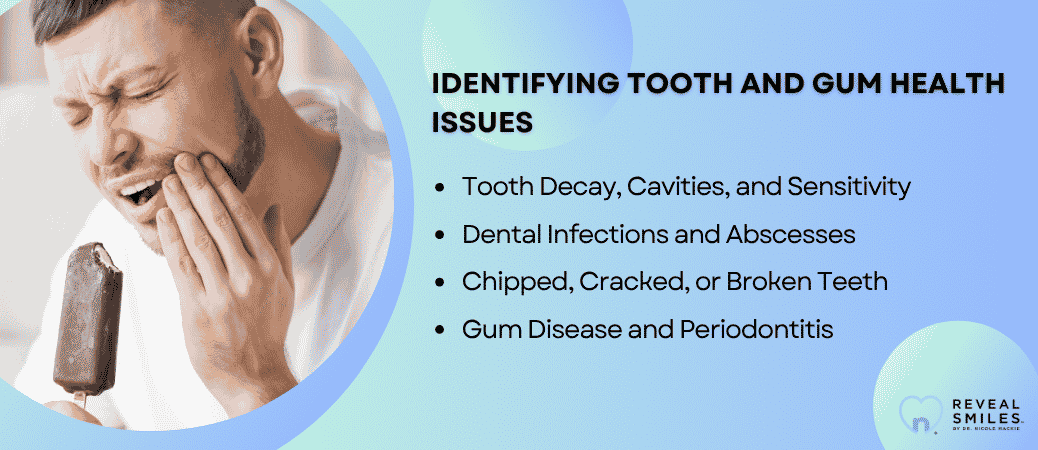
Several dental issues can cause pain when you wake up in the morning. Tooth decay, infections, cracks in your teeth, and gum disease are common problems that can lead to discomfort.
Tooth Decay, Cavities, and Sensitivity
Cavities form when bacteria in your mouth produce acid that eats away at your tooth enamel. You might not notice a cavity at first, but as it gets deeper, it can reach the inner layers of your tooth and cause pain.
This pain often gets worse when you eat or drink something hot, cold, or sweet.
Tooth sensitivity happens when the protective enamel on your teeth wears down or your gums pull back. This exposes the softer layer underneath called dentin.
When you wake up, changes in temperature or pressure in your mouth can trigger sharp pains in sensitive teeth.
Morning tooth pain from decay or sensitivity might feel worse after sleeping because you produce less saliva at night. Saliva helps protect your teeth, so without it, acids can damage your enamel more easily.
Dental Infections and Abscesses
A tooth infection occurs when bacteria get inside your tooth through a cavity or crack. The infection can spread to the root and create a pocket of pus called an abscess.
This is a serious condition that needs immediate dental care.
A tooth abscess causes throbbing pain that can wake you up or be there when you first open your eyes. Your face might swell on the side where the infection is located.
You might also notice a bad taste in your mouth or see pus near the tooth.
Pulpitis is inflammation of the pulp inside your tooth where the nerves and blood vessels are. It can be reversible in early stages, but if left untreated, it leads to infection and abscess.
The pain from pulpitis is often sharp and intense.
Chipped, Cracked, or Broken Teeth
A cracked tooth might not always be visible to you. Small cracks can happen from grinding your teeth at night, biting down on hard foods, or past dental work that weakened the tooth.
These cracks let bacteria in and expose sensitive parts of your tooth.
You might feel pain from a cracked tooth when you bite down or when the crack opens and closes as your jaw moves. The pain can come and go, which makes it tricky to figure out which tooth is the problem.
Temperature changes can also trigger discomfort in a damaged tooth.
Larger chips or breaks are easier to spot and often cause constant pain. Your tongue might feel a rough or sharp edge where the tooth broke.
Gum Disease and Periodontitis
Gum disease starts as gingivitis, which is inflammation of your gums. Your gums might look red, feel swollen, and bleed when you brush.
If you don’t stop the gum bleeding, it can turn into periodontitis, a more serious condition.
Periodontitis happens when infection spreads below your gum line and damages the bone that holds your teeth in place. Your gums pull away from your teeth and create pockets where bacteria grow.
This causes pain, especially when pressure is applied to your teeth.
You might wake up with sore teeth and gums if you have gum disease. Your teeth might feel loose or shift position. Bad breath that doesn’t go away is another sign of gum disease that needs treatment.
Diagnostic Approaches in Las Vegas: Professional Evaluation
Getting an accurate diagnosis requires a thorough examination by a dental professional who can distinguish between jaw joint problems and tooth-related pain.
Las Vegas dentists use specific tools and techniques to identify the source of your discomfort.
What to Expect at Your Consultation
Your first visit starts with a detailed discussion about your symptoms. Your dentist will ask when the pain started, what makes it worse, and whether you notice any clicking or popping sounds in your jaw.
The physical examination includes checking how wide you can open your mouth and feeling the muscles around your jaw for tenderness.
During your evaluation, your dentist will listen for joint sounds and check for areas of pain or discomfort. They’ll also examine your teeth for signs of wear, cracks, or cavities that could explain your symptoms.
You should mention any headaches, ear pain, or neck discomfort you experience. These details help your dentist determine if you’re dealing with TMJ disorder or a dental issue.
Role of Dental X-Rays and Bite Analysis
X-rays reveal problems you can’t see during a visual exam. They show cavities, infections, bone loss, and jaw joint positioning.
Your dentist may take several types of images:
- Panoramic X-rays show your entire jaw and all your teeth in one image
- Periapical X-rays focus on specific teeth to check for root infections
- TMJ-specific imaging captures the joint structure and movement
A bite analysis examines how your upper and lower teeth come together. Poor alignment can cause both tooth damage and jaw joint stress.
Your dentist checks if your bite feels balanced and whether certain teeth hit harder than others when you close your mouth.
When to See a TMJ Specialist Versus a Dentist
Most general dentists can diagnose and treat common TMJ problems. You should start with your regular dentist for an initial evaluation.
Consider seeing a TMJ specialist if:
- Your pain doesn’t improve after several weeks of treatment
- You have severe jaw locking or limited mouth opening
- Conservative treatments like nightguards haven’t helped
- You need advanced imaging or complex treatment planning
Your dentist will refer you to a specialist when needed. Some cases require collaboration between multiple professionals to address both dental and joint issues effectively.
Referred Pain and Overlapping Symptoms
Pain from your teeth can radiate to your jaw, making it feel like a joint problem. Similarly, TMJ disorder can cause tooth sensitivity that mimics a toothache.
The key differences in symptoms help your dentist identify the true source. A tooth infection typically causes sharp pain when you bite down or consume hot and cold foods.
TMJ pain often feels worse in the morning and improves throughout the day.
Your dentist tests individual teeth to see if pressure triggers pain. They also check if jaw movement alone causes discomfort.
This process helps separate tooth problems from joint issues, even when symptoms overlap significantly.
Treatment and Prevention Strategies for TMJ and Dental Pain
Managing morning pain requires different approaches depending on whether you’re dealing with TMJ disorder or dental issues.
The right treatment can reduce your discomfort and prevent future problems from developing.
TMJ Treatments: Night Guards, Exercises, and Manual Therapy
A custom-fitted night guard or bite guard is one of the most common treatments for TMJ pain. Your dentist will create an occlusal splint that fits over your teeth to prevent nighttime clenching and bruxism while you sleep.
Physical therapy approaches can significantly reduce TMJ symptoms. Jaw exercises help strengthen and stretch the muscles around your joint. Manual therapy performed by a trained therapist uses hands-on techniques to improve jaw movement.
Additional treatments include:
- Myofascial release to reduce muscle tension
- Dry needling to target trigger points
- Postural correction to reduce jaw strain
- Warm compress applications for 15-20 minutes several times daily
Your doctor might prescribe muscle relaxants for short-term relief if muscle spasms are causing your pain. TMJ treatment in Las Vegas focuses on personalized care that addresses the root cause of your jaw problems.
Dental Treatments: Fillings, Root Canal, and Infection Control
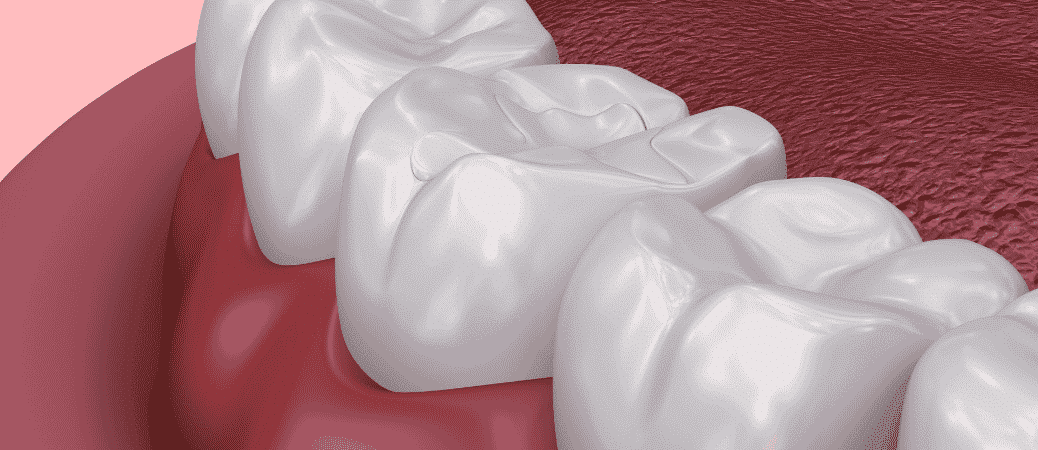
Toothaches require different dental treatment based on the underlying problem. A simple cavity needs a filling to restore the tooth structure and stop the decay.
Deep infections require root canal treatment to save the tooth. During a root canal, your dentist removes infected pulp from inside the tooth and seals it to prevent further infection.
Despite common fears, modern root canal procedures are no more uncomfortable than getting a filling.
For immediate pain management at home, try a saltwater rinse by mixing half a teaspoon of salt in warm water. Swish it around the painful area several times daily to reduce bacteria and inflammation.
Abscesses need prompt attention because the infection can spread. Your dentist will drain the abscess and may prescribe antibiotics along with performing necessary dental work.
Lifestyle Adjustments for Long-Term Relief
Reducing stress through relaxation techniques helps prevent both TMJ flare-ups and teeth grinding. Try deep breathing exercises or meditation before bed to relax your jaw muscles.
Change your diet by eating softer foods during pain episodes. Cut food into smaller pieces and chew on both sides of your mouth. Avoid sticky or chewy foods that strain your jaw.
Sleep position matters too. Sleeping on your back reduces pressure on your jaw compared to stomach or side sleeping. If you must sleep on your side, avoid putting your hand under your jaw.
Practice proper jaw posture during the day. Keep your teeth slightly apart, tongue resting gently on the roof of your mouth, and jaw muscles relaxed.
Stop habits like pencil chewing or nail biting that overwork your jaw.
At-Home Care and When to Seek Help
You can manage mild symptoms at home with several approaches. Apply ice packs for acute sharp pain or a warm compress for chronic dull aching.
Use either for 15-20 minutes at a time throughout the day.
Gentle self-massage of your jaw muscles can provide relief. Use your fingertips to apply light pressure in circular motions along your jawline and temples.
Seek professional help if you experience:
- Pain lasting more than a few days
- Severe swelling in your face or gums
- Fever accompanying jaw or tooth pain
- Difficulty opening your mouth normally
- Clicking or locking of your jaw joint
Reveal Smiles provides customized TMJ treatments to restore proper jaw function when home care isn’t enough. Don’t wait until your pain becomes unbearable to get evaluated by a professional.
Frequently Asked Questions
Morning jaw pain can be confusing because TMJ disorders and tooth problems often feel similar. Understanding the specific signs of each condition helps you get the right treatment faster.
How can I tell if my morning jaw pain is from TMJ issues or a tooth problem?
TMJ pain usually affects a broader area of your jaw and face. You might feel pain on both sides of your jaw, near your ears, or in your temples.
Toothache pain tends to focus on one specific tooth or area of your mouth. If you can point to exactly where it hurts with your finger, it’s more likely a tooth problem.
Pain from TMJ disorders often spreads to other parts of your face and neck. You might also notice clicking or popping sounds when you open your mouth, which points to TMJ issues rather than a tooth problem.
What symptoms are more common with a toothache than with TMJ-related pain?
Sharp, stabbing pain when you bite down usually means you have a tooth problem. This kind of pain gets worse when you chew or drink hot or cold liquids.
Swollen or bleeding gums around a specific tooth also point to dental issues. You might see visible damage to a tooth or notice sensitivity to sweet foods.
Toothaches from cavities or infections stay in one spot and don’t move around. TMJ pain, on the other hand, can shift between different areas of your jaw and face throughout the day.
Can teeth grinding at night cause jaw pain that feels like a toothache?
Yes, grinding your teeth while you sleep can make your jaw muscles sore and tired. This creates pain that might feel like it’s coming from your teeth.
Teeth grinding is actually one of the most common causes of TMJ disorders. When you grind your teeth all night, you put extra pressure on both your jaw joint and your teeth.
Your teeth might feel sore or sensitive in the morning even though nothing is wrong with them. The pain comes from the constant pressure and movement rather than from damage to the tooth itself.
Why does my jaw feel sore or stiff when I wake up, especially near my ears?
The temporomandibular joint sits right in front of your ear on each side of your face. When this joint gets inflamed or irritated, you feel pain in that exact area.
Sleeping in certain positions can make TMJ pain worse overnight. If you sleep on your side with pressure on your jaw, you might wake up with extra stiffness.
Jaw muscle pain and stiffness near your ears are classic signs of TMJ problems. You might have trouble opening your mouth wide or feel like your jaw is locked when you first wake up.
When should I see a dentist right away for jaw or tooth pain after waking up?
See a dentist immediately if you have severe pain that doesn’t go away with over-the-counter pain medicine. Sharp pain when biting down or swelling in your face needs quick attention.
You should also get help fast if you have a fever along with tooth or jaw pain. This could mean you have an infection that needs treatment.
Many people delay getting proper treatment and their symptoms get worse over time. If your pain lasts more than a few days or keeps getting worse, don’t wait to call your dentist.
What can I do at home to ease morning jaw pain while I figure out the cause?
Apply a warm compress to your jaw for 10 to 15 minutes to relax tight muscles. You can also try a cold pack if you have swelling or inflammation.
Eat soft foods for a few days and avoid chewing gum or biting into hard foods. This gives your jaw a chance to rest and recover.
Gentle jaw stretches can help reduce stiffness in the morning. Open your mouth slowly and move your jaw from side to side a few times.
Taking over-the-counter anti-inflammatory medicine like ibuprofen can help with both TMJ-related pain and tooth pain while you wait to see your dentist.