
Picking the right dentist for your dental implants can feel overwhelming when you’re facing such an important decision about your oral health.
You want someone skilled and experienced who will give you the best possible outcome. The wrong choice could lead to complications, extra costs, or results that don’t meet your expectations.
The key to choosing the right implant dentist is looking at their training, experience with implant procedures, success rates, and the technology they use in their practice.
A dentist who specializes in dental implant procedures should have advanced certification and a track record of successful treatments.
You’ll also want to feel comfortable with how they communicate and whether they take time to answer your questions.
This guide walks you through exactly what to look for when selecting an implant dentist.
You’ll learn which credentials matter most, what questions to ask during your consultation, and how to spot red flags before committing to treatment.
Key Takeaways
- Look for a dentist with specialized training in implantology and a success rate of 95% or higher
- Check that the practice uses modern technology like 3D imaging and computer-guided implant placement
- Read patient reviews and ask about financing options before making your final decision
Learn how to choose an implant dentist and make a confident decision for your smile.
Table of Content
- Understanding Dental Implants and Implant Dentistry
- Evaluating Credentials and Expertise
- Assessing the Dental Practice and Technology
- Consultation Process and Patient Experience
- Insights from Reviews, Testimonials, and Satisfaction
- Financial Considerations and Making Your Decision
- Frequently Asked Questions
Understanding Dental Implants and Implant Dentistry
Dental implants are a permanent tooth replacement option that can restore both function and appearance to your smile.
Learning about how they work and the different specialists who place them will help you make informed decisions about your oral health.
What Are Dental Implants and How Do They Work?
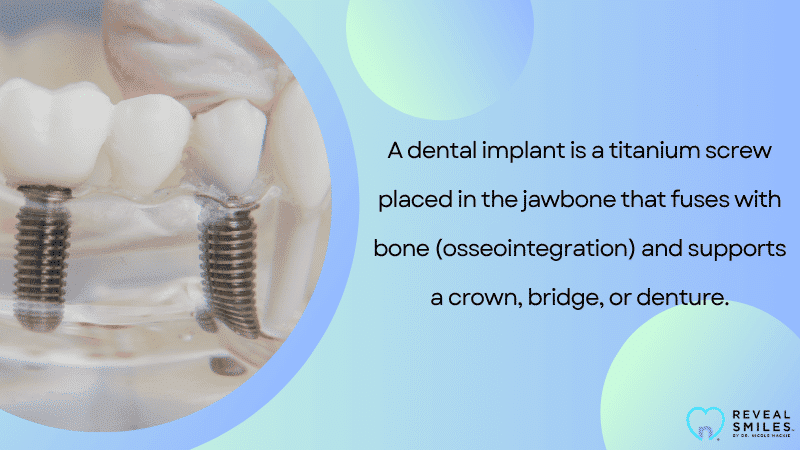
A dental implant is a small titanium screw that is placed into your jawbone to replace the root of a missing tooth. The implant acts as a foundation for one or more replacement teeth.
The implant process involves three main parts. First, the titanium screw is surgically placed into your jawbone. Second, an abutment connects to the top of the implant.
Third, a custom crown, bridge, or denture attaches to the abutment to complete your new tooth.
Your jawbone naturally fuses with the titanium implant over several months. This process, called osseointegration, creates a strong and stable base for your replacement teeth.
Once healed, your dental implant can support normal chewing and speaking functions just like natural teeth.
Benefits of Dental Implants for Oral Health
Dental implants offer advantages that go beyond just filling gaps in your smile. They help preserve your jawbone by providing the stimulation that natural tooth roots once gave.
Without this stimulation, your jawbone can deteriorate over time.
Your facial structure stays more stable with implants because they prevent bone loss that can change your appearance. Unlike traditional bridges, implants don’t require grinding down healthy neighboring teeth for support.
Key benefits include:
- Durability – Implants can last decades with proper care
- Bone preservation – Prevents jawbone deterioration
- Natural function – Allows normal eating and speaking
- Protection for other teeth – No need to alter healthy teeth
Your daily oral hygiene routine stays simple with implants. You brush and floss them just like your natural teeth.
Overview of Implant Dentistry Specialties
Different dental specialists focus on various aspects of the implant process. Understanding these specialties helps you know what to expect from each type of provider.
Oral Surgeons and Periodontists typically specialize in the surgical placement of implants. Prosthodontists and General Dentists often handle implant restorations and creating the crowns or bridges that attach to implants.
Some practices use a team approach with both a surgical dentist and a restorative dentist working together. Other offices have a single dentist who manages your entire implant process from start to finish.
Both approaches can deliver excellent results when the dentist has proper training and experience in implant dentistry.
Schedule an implant consultation in Las Vegas, NV to discuss your tooth replacement options.
Evaluating Credentials and Expertise
Finding the right dental implant specialist means looking beyond advertising claims to verify real qualifications and proven skills.
The credentials, training depth, and hands-on experience of your implant dentist directly affect your treatment outcome and long-term success.
Essential Qualifications and Certifications
Your implant specialist should hold recognized credentials from established dental organizations.
The most qualified professionals are typically oral surgeons or periodontists, both ADA-recognized surgical specialists who completed multi-year post-graduate residency programs.
Look for membership in the American Academy of Implant Dentistry, which indicates ongoing education and commitment to implant procedures.
Some general dentists also place implants, but you should verify their training went beyond basic weekend courses.
Ask about board certifications in their specialty area. These certifications require rigorous testing and demonstrate a higher level of expertise.
You can verify credentials through state dental boards or professional organizations online.
Be cautious of dentists who claim to be “implantologists” or implant specialists, since the American Dental Association does not recognize implantology as a specialty.
True specialists have completed formal residency programs in oral surgery or periodontics.
Importance of Specialized Training
The depth of training matters significantly when choosing an implant dentist. Oral surgeons and periodontists receive years of dedicated surgical training, including managing complications that can arise during procedures.
General dentists who place implants may have taken abbreviated courses lasting only one to three days. This limited training doesn’t provide adequate preparation for complex cases or handling unexpected problems during surgery.
Ask your dentist specific questions about their education. How many surgical courses have they completed? How long did each course last? Do they attend continuing education on implants yearly?
You should also inquire about training in bone grafting procedures and sinus lifts, which are often necessary for successful implant placement.
An experienced implant dentist will have extensive training in these advanced techniques beyond basic implant placement.
Role of Experience and Case Success Rates
Experience translates directly to better outcomes for your dental implant procedure. Ask how long the dentist has been placing implants and how many they perform each year. Higher volume generally indicates more refined skills.
Request information about their success rates for successful implant procedures. Industry standards show success rates above 95%, so be concerned if a dentist can’t provide this data or their numbers fall below this benchmark.
Find out if the dentist handles complex cases or refers them to specialists. A dentist who refers difficult cases shows good judgment and prioritizes patient safety.
Ask about their experience with cases similar to yours, especially if you need bone grafting or have multiple missing teeth.
Review patient testimonials and before-and-after photos of actual cases. This gives you a realistic view of the dentist’s work quality and the results you can expect from your treatment.
Assessing the Dental Practice and Technology
The technology and equipment a dental practice uses directly affects the accuracy of your implant placement and your overall comfort during treatment. Modern tools help dentists plan more precisely and reduce recovery time.
State-of-the-Art Equipment and Techniques
Your dentist should use CBCT (cone beam computed tomography) scanning for implant planning.
This 3D imaging shows your jaw bone density, nerve locations, and sinus position with much more detail than regular X-rays. CBCT scans help your dentist avoid complications during implant surgery.
Ask if the practice uses digital impression scanners instead of traditional putty molds. Digital scanners create more accurate models of your mouth and make the fitting process more comfortable.
They also speed up the creation of your custom crown or bridge.
The dental practice should have modern sterilization equipment and follow strict infection control protocols. Ask about their sterilization process during your consultation.
A clean environment reduces your risk of infection after the dental implant procedure.
Check if the dentist stays current with new techniques. Bone grafting methods and implant materials improve regularly. Dentists who attend continuing education courses bring better options to their patients.
Guided Implant Placement
Guided implant placement uses computer planning to create a surgical guide that shows exactly where to place your implant.
The dentist designs your treatment on a computer using your CBCT scan, then a custom guide is made to match your mouth.
This technology makes implant placement more accurate and less invasive. Your dentist can avoid sensitive areas like nerves and sinuses more easily. The guide also helps position the implant at the correct angle for your final restoration.
Guided surgery often means less cutting of your gum tissue and shorter recovery time. You may have less swelling and discomfort after the procedure. The precision also improves the long-term success rate of your implant.
Not every case requires guided surgery, but having this option available shows the practice invests in advanced tools. Ask your dentist if guided surgery would benefit your specific situation.
Quality of Care and Patient Comfort
The dental practice should offer sedation options if you feel anxious about implant surgery. Many offices provide nitrous oxide, oral sedation, or IV sedation. Discuss your comfort level during the consultation so your dentist can recommend the right option.
Ask about the practice’s follow-up care procedures. You should know who to contact if you have questions or concerns during your recovery. A good practice schedules regular check-ups after your implant placement to monitor healing.
The office environment matters for your experience. Look for a clean, organized space with friendly staff who answer your questions clearly. You should feel welcomed and informed, not rushed through appointments.
Find out how the practice handles emergencies or complications. Your dentist should explain their after-hours contact system and what to do if problems occur.
Clear communication about recovery expectations helps you know what is normal and what needs attention.
Consultation Process and Patient Experience
The consultation sets the foundation for your implant journey and gives you a chance to evaluate whether a dentist meets your needs.
A thorough first visit should include detailed assessments, open communication, and a customized plan that addresses your specific situation.
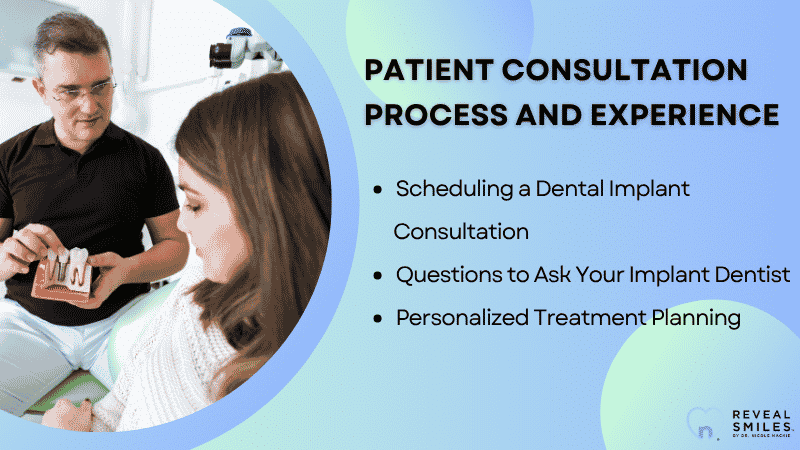
Scheduling a Dental Implant Consultation
When you call to book your first appointment, pay attention to how the office staff treats you. A friendly, organized team often reflects the quality of care you’ll receive throughout treatment.
Most dental implant consultation appointments last 60 to 90 minutes. This gives your dentist enough time to review your medical history, examine your mouth, and take necessary scans or X-rays.
Ask if there’s a consultation fee and whether it applies toward your treatment cost if you move forward. Some practices offer free consultations while others charge between $100 and $300.
Bring your medical records, current medications list, and dental insurance information. Having these documents ready helps your dentist create an accurate treatment plan from the start.
Questions to Ask Your Implant Dentist
Your consultation is the perfect time to learn about your dentist’s experience and approach. Start by asking how many implant procedures they’ve completed and what their success rate is.
Find out what type of implant system they use and why they prefer it. Quality materials and proven brands often lead to better long-term results.
Ask about the timeline from start to finish, including healing periods between stages. You should also discuss what happens if complications arise and how they handle follow-up care.
Important questions to cover:
- What training do you have in implant dentistry?
- Will you perform the entire procedure or refer parts to specialists?
- What technology do you use for planning and placement?
- What are the payment options and does insurance cover any costs?
Personalized Treatment Planning
Every mouth is different, so your treatment plan should reflect your unique needs. Your dentist will evaluate your jawbone density, gum health, and bite alignment to determine the best approach.
During the exam, they’ll check for issues like gum disease or tooth decay that need treatment first. Advanced imaging technology like 3D scans shows exactly where implants should be placed for optimal results.
Your dentist should explain alternatives if implants aren’t the best fit right away. Options might include bone grafting to strengthen your jaw or treating gum disease before moving forward.
The plan should include a clear cost breakdown and realistic timeline. You deserve to know exactly what to expect at each stage, from the initial surgery through the final crown placement.
Insights from Reviews, Testimonials, and Satisfaction
Patient feedback reveals critical information about a dentist’s skill, communication style, and success with implant procedures.
Reading what others experienced helps you understand what to expect and identify potential concerns before committing to treatment.
Reviewing Patient Testimonials
Patient testimonials give you a direct look at how people felt about their implant experience. These personal stories often describe the dentist’s bedside manner, pain management, and the final results.
Look for testimonials that mention specific details about the implant process rather than vague praise.
When reviewing patient testimonials, pay attention to how the dentist handled complications or unexpected issues. The best testimonials discuss both the procedure itself and the follow-up care.
You want to see that the dentist stayed involved throughout the healing process.
Ask the dental office if they can share before-and-after photos along with written testimonials. Visual evidence combined with patient stories gives you a more complete picture of what the dentist can achieve.
Evaluating Real Patient Reviews
Online reviews on platforms like Google and Yelp provide unfiltered opinions from actual patients. Patient reviews and testimonials help you spot patterns in the dentist’s performance.
Multiple positive reviews about successful implant procedures indicate consistent quality care.
Watch for red flags like repeated complaints about the same issues. Common problems might include poor communication, unexpected costs, or implant failures.
A few negative reviews among many positive ones is normal, but consistent negative feedback should concern you.
Look at how the dental practice responds to negative reviews. A dentist who addresses concerns professionally and offers solutions demonstrates good patient care values.
Reviews that mention the dentist’s use of modern technology and techniques are particularly valuable.
Measuring Patient Satisfaction
Patient satisfaction goes beyond just whether the implant worked. It includes your comfort during the procedure, how well the dentist explained things, and whether the results met your expectations.
High patient satisfaction rates typically indicate a dentist who values the complete patient experience.
You can gauge satisfaction by looking at how many patients return for additional dental work or refer friends and family.
A dentist with positive feedback about implant procedures usually has patients who trust their skills enough to recommend them to others.
Ask during your consultation about the dentist’s patient satisfaction rates and success rates with dental implants. Most experienced implant dentists track these numbers and should have a success rate of 95% or higher.
Financial Considerations and Making Your Decision
Dental implants typically cost between $3,000 and $6,000 per tooth, but prices vary based on your location, the provider you choose, and how complex your case is.
Understanding what affects the price and what your insurance might cover helps you compare your options and choose a provider that fits your budget without sacrificing quality.
Understanding the Cost of Dental Implants
A single dental implant includes three main parts: the titanium post that goes into your jawbone, the abutment that connects to the post, and the crown that looks like your natural tooth.
Some dentists quote only the implant placement cost, while others include everything in one price.
You might need extra procedures before your implant can be placed. Bone grafting adds $300 to $3,000 to your total cost depending on how much bone you need.
A sinus lift can cost $1,500 to $2,500. These procedures help ensure your implant has enough bone support to succeed.
Full-arch implant restorations cost much more than single teeth. You can expect to pay $15,000 to $30,000 or more per arch for implant-supported dentures.
Always ask for an itemized breakdown so you know exactly what each provider includes in their quote.
Insurance Coverage and Payment Options
Most dental insurance plans classify implants as a major procedure. If your plan covers implants, you might get 50% coverage up to your annual maximum, which often ranges from $1,000 to $2,000. Some plans exclude implants completely.
Call your insurance company directly to find out what they cover. Ask about waiting periods, pre-authorization requirements, and whether they have preferred providers.
Many dental offices will submit a pre-treatment estimate to your insurance so you know your out-of-pocket cost before you start.
Most implant providers offer payment plans or work with financing companies like CareCredit. These options let you spread payments over several months or years. Compare interest rates and terms carefully before you commit.
Balancing Quality with Affordability

The lowest price doesn’t always mean the best value. An experienced implant dentist with advanced training and modern technology might charge more, but their expertise can prevent complications that cost more to fix later.
Look at what’s included in each treatment plan. One provider might charge less but exclude follow-up visits or the final crown. Another might charge more but include everything from imaging to final placement and all adjustments.
Consider the quality of materials used. Premium implant brands with long track records cost more than budget alternatives, but they often have better success rates and longer warranties.
Ask each provider what brand they use and why they recommend it for your case.
Frequently Asked Questions
Getting dental implants is a big decision that comes with important questions about qualifications, costs, and finding the right provider.
These common questions will help you feel more confident as you search for the best implant dentist for your needs.
What qualifications and training should I look for in a dentist who places dental implants?
You want to find a dentist who has gone beyond basic dental school training. Look for specialists like periodontists, oral surgeons, or prosthodontists who have completed additional years of education focused on dental implants.
Board certification is another important credential to check. Only about 500 dentists worldwide have earned board certification in oral implantology, which shows advanced expertise in the field.
Ask about continuing education too. Dental implants require sophisticated placement techniques that dentists learn through hundreds of hours of specialized training. The best implant dentists regularly attend courses and workshops to stay current with new methods and technology.
Membership in professional organizations like the American Academy of Implant Dentistry can also signal a commitment to quality. These memberships often require dentists to meet specific training standards and stay updated on best practices.
How many dental implant procedures has the dentist performed, and what is their success rate?
Experience matters a lot when it comes to dental implants. You should ask your dentist directly how many implant procedures they have completed throughout their career.
A dentist who has placed hundreds or thousands of implants will likely have better skills than someone just starting out.
The success of your dental implant depends largely on the specialist performing the procedure, including their experience and technique.
Don’t be shy about asking for their success rate. Most experienced implant dentists have success rates above 95%. If a dentist seems uncomfortable sharing this information or their numbers seem low, that’s a red flag.
You can also ask about their experience with cases similar to yours. If you need multiple implants or have bone loss, you want a dentist who has successfully handled those specific situations before.
What kind of technology (like 3D imaging) will the dentist use to plan my implant treatment?
Modern implant dentistry relies on advanced technology for better results. Clinics that use 3D imaging and computer-guided surgery can plan your treatment more precisely.
3D cone beam CT scans let your dentist see your jaw structure, bone density, and nerve locations before surgery. This technology helps them place your implants in exactly the right position and avoid complications.
Computer-guided surgery takes planning even further. Your dentist can create a digital blueprint of your implant placement and use surgical guides during the actual procedure. This improves accuracy and can lead to faster healing.
Ask what imaging technology the office uses and how it will help with your specific case. A dentist who invests in modern equipment usually takes quality seriously.
Can I see before-and-after photos or patient reviews for implant cases similar to mine?
Looking at real results from previous patients gives you a better idea of what to expect. Most experienced implant dentists keep before-and-after photos of their work that they can share with you.
Pay attention to cases that look similar to yours. If you’re missing front teeth, ask to see photos of front tooth implant cases. If you need full arch restoration, look for those examples.
Online reviews and testimonials provide another valuable perspective. Check Google, Yelp, and health-specific review sites to see what other patients say about their experiences.
Look for patterns in the reviews rather than focusing on one or two comments. Multiple patients mentioning great communication, minimal pain, or beautiful results tells you more than a single review.
What should I ask about costs, financing options, and what’s included in the treatment fee?
Dental implant costs vary widely, so you need a clear breakdown of all expenses. Ask for a detailed estimate that includes the implant fixture, abutment, crown, and any necessary procedures like bone grafting.
Find out what happens if something goes wrong. Some dentists include follow-up visits and adjustments in their fee, while others charge separately. Understanding what’s covered upfront prevents surprise bills later.
Ask about payment plans and financing options. Many implant dentists work with financing companies that offer monthly payment plans, sometimes with low or no interest for qualified patients.
Check if your dental insurance covers any part of the procedure. While many plans don’t cover implants, some cover portions like the crown or preliminary procedures. Your dentist’s office can often help you understand your benefits.
How do I find a reputable implant dentist near Charleston, SC or West Ashley, and what should I check first?
Start by asking your regular dentist for referrals to implant specialists in the Charleston or West Ashley area. Your dentist likely knows which local specialists have good reputations and can match you with someone suitable.
Search for board-certified implant dentists or specialists like periodontists and prosthodontists practicing in your area. Professional organization websites like the American Academy of Implant Dentistry have search tools to find credentialed members near you.
Read online reviews specific to Charleston and West Ashley practices. Local review sites and Google reviews from patients in your area give you honest feedback about dentists you’re considering.
Schedule consultations with two or three dentists before making your decision. Meeting with potential providers helps you ask important questions about their experience, approach, and what they recommend for your situation.
During these visits, pay attention to how well they communicate and whether you feel comfortable with their team.